


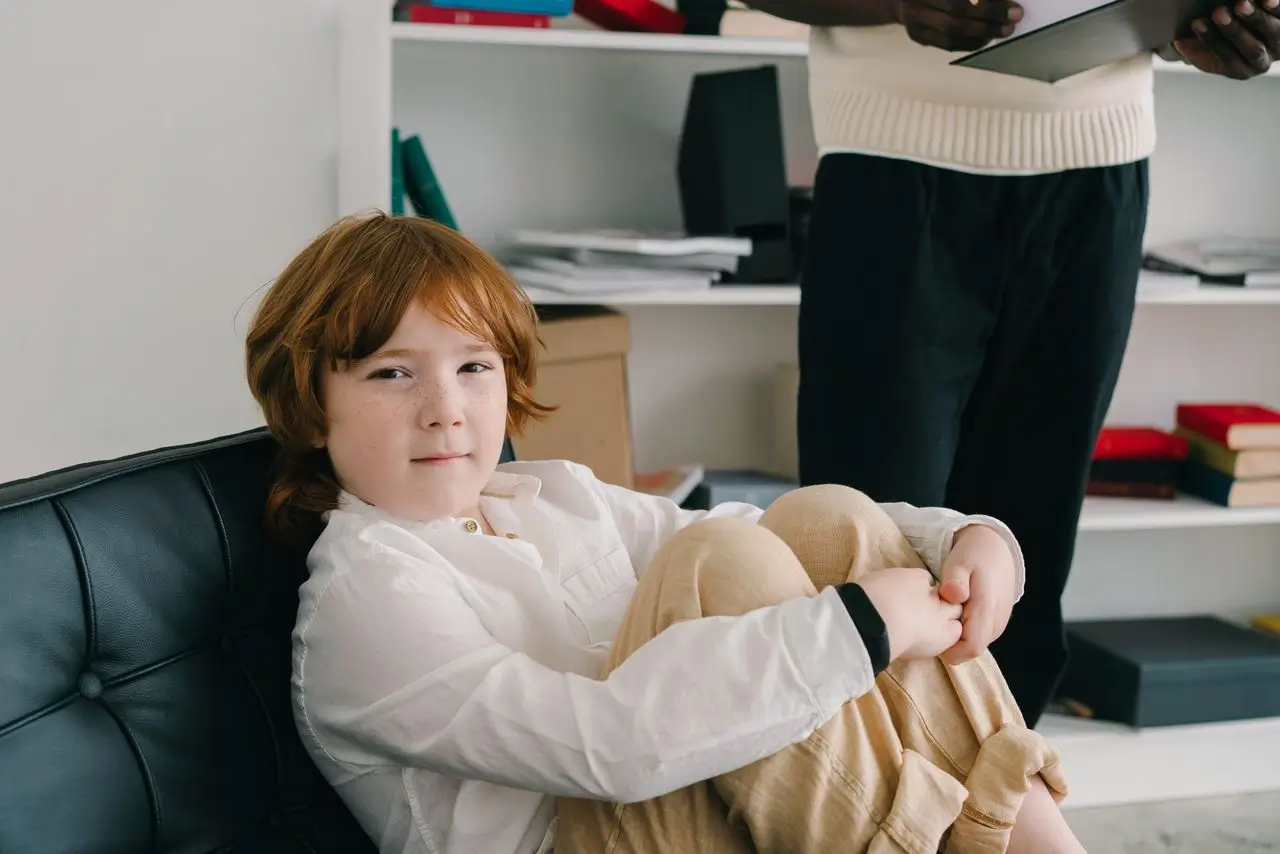
Child therapy gives children a safe, age-appropriate place to express big feelings, practice new coping skills, and work through challenges that may be affecting home, school, friendships, or daily routines. Our child therapy services in Palm Beach Gardens are designed for families who want supportive, practical care for anxiety, behavior challenges, school stress, emotional regulation, and developmental concerns. Whether your child communicates best through play, conversation, art, movement, or problem-solving activities, therapy can meet them where they are and help the whole family understand what is going on.
Is child therapy right for your child?
Child therapy may be a good fit if your child seems overwhelmed, withdrawn, unusually irritable, fearful, defiant, tearful, or stuck in patterns that are not improving with reassurance or discipline alone. It can also help when a child is facing a transition, struggling at school, having frequent meltdowns, avoiding activities, or showing changes in sleep, appetite, confidence, or social behavior. In Palm Beach Gardens, families often seek child therapy because they want more than a quick fix; they want a clearer understanding of their child’s needs and a plan that feels realistic at home.
Therapy is not only for moments of crisis. Many children benefit from support before stress becomes more disruptive. A child who worries every Sunday night before school, argues daily over homework, clings before drop-off, or explodes over small frustrations may be showing that their current coping tools are not enough. Child mental health care helps identify those patterns and build healthier responses step by step.
Child therapy services for Palm Beach Gardens families
Our child therapy services focus on the emotional, behavioral, and school-related concerns that often bring families into care. Sessions are tailored to your child’s age, personality, strengths, and presenting concerns, with parent involvement included when it supports progress. The goal is to create a calm, supportive process where children feel understood and caregivers leave with practical insight.
Services may support children experiencing:
- Anxiety, fears, panic-like symptoms, or frequent reassurance seeking
- Big emotions, tantrums, anger, irritability, or shutdowns
- Difficulty following directions, transitioning, or managing limits
- School stress, test anxiety, homework battles, or avoidance
- Social struggles, friendship conflict, or low confidence
- Family changes, grief, separation, relocation, or adjustment stress
- Sleep worries, separation concerns, or changes in routine
- Emotional sensitivity, perfectionism, or frustration intolerance
The best support often combines direct child sessions with caregiver guidance. Children need space to learn and express themselves, while parents need tools for responding consistently at home. When both parts work together, therapy becomes easier to use in real life, not just during appointments.
Play therapy that helps children communicate naturally
Play therapy is often a strong fit for younger children because play is one of the main ways children express feelings, explore problems, and practice new solutions. A child may not be able to sit down and explain, “I feel anxious when the classroom gets loud,” but they may show worry, control, fear, or frustration through play themes and behavior. A trained therapeutic setting helps those patterns become clearer and more workable.
In play therapy, activities may include toys, drawing, storytelling, games, role-play, or creative exercises. These tools are not random entertainment. They give children a developmentally appropriate way to process experiences, build emotional vocabulary, practice flexibility, and feel more in control of their inner world. For a child who has trouble naming feelings, play can become the bridge between behavior and understanding.
Parents may notice that progress looks different from adult talk therapy. A child might begin using new words for emotions, recovering faster after disappointment, tolerating limits with less intensity, or showing more confidence during separations. These changes can be subtle at first, but they matter because they show the child is developing new internal skills.
Anxiety support for worried or avoidant children
Childhood anxiety can appear in many forms. Some children ask the same questions repeatedly, avoid new situations, complain of stomachaches before school, struggle to sleep alone, or become distressed when plans change. Others become perfectionistic, irritable, controlling, or reluctant to try anything they might not do well. Because anxiety often hides behind behavior, therapy looks beneath the surface and helps families respond to the worry rather than only the reaction.
Anxiety-focused child therapy helps children understand body signals, name fears, and learn coping strategies they can actually use. Depending on age and needs, this may include breathing tools, calming routines, gradual practice with feared situations, thought-challenging activities, problem-solving, and confidence-building exercises. The work is paced carefully so the child feels supported, not pushed too quickly.
For parents, anxiety support can clarify what helps and what accidentally reinforces worry. Constant reassurance, avoidance, or last-minute rescue may bring short-term relief but can keep anxiety in charge over time. Therapy helps caregivers support bravery with warmth, structure, and realistic expectations.
Behavior challenges and emotional regulation support
Behavior challenges are often a child’s way of showing that a demand, feeling, transition, or environment is too hard to manage in that moment. This does not mean limits disappear or that disruptive behavior is ignored. It means therapy looks at what is driving the behavior so families can respond with both compassion and consistency.
Children may need help with emotional regulation, impulse control, frustration tolerance, listening, transitions, sibling conflict, or aggressive outbursts. In therapy, the child can practice noticing body cues, pausing before reacting, using words instead of yelling, and recovering after a mistake. These skills are built through repetition, encouragement, and strategies that match the child’s developmental level.
Caregiver guidance is especially important for behavior concerns. Parents may receive support with routines, expectations, consequences, praise, co-regulation, and ways to stay calm during difficult moments. The goal is not to create a perfect household. The goal is to reduce power struggles, increase connection, and help children learn what to do instead of the behavior that is causing problems.
School stress, academic pressure, and peer concerns
School can bring out stress that may not appear anywhere else. A child may be bright and capable but still dread class, resist homework, melt down after pickup, avoid reading aloud, or feel overwhelmed by tests, peer conflict, or performance pressure. In Palm Beach Gardens, where families often juggle busy school, sports, and activity schedules, children can look “fine” on the outside while carrying more stress than adults realize.
Therapy for school stress helps children identify what part of school feels hard. It may be academic pressure, sensory overload, separation anxiety, social worry, bullying, perfectionism, executive functioning struggles, or fear of disappointing adults. Once the source is clearer, sessions can focus on coping plans, confidence, communication skills, and routines that reduce daily battles.
Support may include practical strategies such as:
- Creating a calm morning or homework routine
- Practicing how to ask a teacher for help
- Building test-day coping tools
- Naming and managing after-school restraint collapse
- Preparing for transitions between grades, classrooms, or schools
- Strengthening social problem-solving and friendship skills
When appropriate, parents can use therapy insights to communicate more clearly with teachers or school support staff. The therapist does not need to take over the school role to help the family understand what the child needs and how to advocate effectively.
Who our pediatric therapy services are for
Child therapy can support preschool and elementary-age children, tweens, and young adolescents, depending on the concerns and the type of care needed. It is especially helpful for children who struggle to explain their feelings, become overwhelmed easily, or seem caught between wanting independence and needing support. Families may seek therapy after a specific event, but many come because daily life has become tense, unpredictable, or emotionally exhausting.
This service may be a fit for:
- Parents who feel they have tried everything and need a new approach
- Children who are anxious, sensitive, angry, withdrawn, or frequently upset
- Families navigating divorce, blended family changes, grief, or relocation
- Children having difficulty with school, peers, routines, or confidence
- Caregivers who want practical tools, not blame or judgment
- Families looking for child therapy in Palm Beach Gardens with a local, accessible focus
Therapy is also for parents who want to understand their child more deeply. When a caregiver can see the need beneath the behavior, it becomes easier to respond in a way that teaches rather than escalates.
What to expect during the therapy process
The therapy process usually begins with getting to know your child, your family’s concerns, and the patterns showing up at home, school, or in relationships. Early sessions may include parent input, child observation, play-based interaction, and discussion of goals. Because every child is different, the plan should reflect your child’s age, temperament, strengths, and comfort level.
Families can typically expect:
- An initial conversation about concerns and goals. You share what has been happening, what you have already tried, and what you hope will change.
- A child-centered assessment period. The therapist gets to know how your child communicates, regulates emotions, responds to limits, and engages in play or conversation.
- A personalized therapy plan. Support may include play therapy, coping skills, parent guidance, emotional regulation work, and school-related strategies.
- Ongoing parent collaboration. Caregivers receive insight into patterns and practical ways to support progress between sessions.
- Review of progress and next steps. Goals can shift as your child grows, improves, or faces new challenges.
Therapy works best when families view it as a collaborative process. The session is one part of care; the real change often happens when new language, routines, and responses are practiced throughout the week.
Benefits of child mental health support
Effective child mental health care can help children feel less alone with emotions they do not yet understand. It can also help parents respond with more confidence when their child is anxious, angry, avoidant, or overwhelmed. While therapy does not promise instant change, it can create a more stable path forward.
Families often seek therapy for benefits such as:
- Better emotional awareness and communication
- Healthier coping skills for worry, anger, sadness, and frustration
- Fewer daily power struggles around routines and expectations
- Stronger parent-child connection during stressful moments
- Improved confidence at school, home, and in social situations
- More practical strategies for transitions, homework, and separation
- A clearer understanding of what your child’s behavior may be communicating
One common before-and-after example is the child who melts down every afternoon after school. Before therapy, the family may see the behavior as defiance or disrespect. Through therapy, they may recognize fatigue, sensory overload, hunger, anxiety, or perfectionism underneath the outburst, then build an after-school reset routine that lowers conflict and helps the child recover before homework or activities.
Common questions from local families
- How do I know if my child needs therapy or is just going through a phase? A difficult phase may pass with time, support, and routine. Therapy is worth considering when the concern persists, intensifies, affects school or family life, or leaves you unsure how to help.
- Will parents be involved in sessions? Parent involvement is often an important part of child therapy. The level of involvement depends on the child’s age, goals, and needs, but caregivers typically receive guidance so progress can continue outside the therapy room.
- Does play therapy mean my child is only playing? No. In a therapeutic setting, play is used intentionally to help children express feelings, practice skills, process experiences, and develop healthier responses.
- Can therapy help if the main problem happens at school? Yes. Therapy can help identify school-related stressors, teach coping strategies, and support parents in understanding how to communicate concerns and create helpful routines.
- What if my child is nervous about starting therapy? Many children feel unsure at first. A gentle, child-centered approach helps build comfort gradually, using developmentally appropriate activities rather than pressure to talk before the child is ready.
Local support for Palm Beach Gardens families
If your child is struggling with anxiety, behavior challenges, play-based emotional expression, or school stress, you do not have to sort it out alone. Child therapy in Palm Beach Gardens offers a supportive place to understand what your child is experiencing and build tools your family can use in everyday life.
Reach out to discuss pediatric therapy services for your child and take the next step toward calmer routines, stronger communication, and more confident support at home and school. Families in Palm Beach Gardens and nearby communities are welcome to get in touch when they are ready to begin.
Frequently Asked Questions About Child Therapy in Palm Beach Gardens
How do I know if my child needs therapy or is just going through a phase?
Many children go through temporary periods of worry, irritability, clinginess, frustration, or behavioral change. Therapy may be worth considering when the concern lasts longer than expected, becomes more intense, interferes with school or family life, affects friendships or sleep, or leaves you feeling unsure how to help.
You do not need to wait until a problem becomes severe before reaching out. Early support can sometimes prevent a manageable concern from becoming more disruptive.
What ages can benefit from child therapy?
Therapy can be adapted for preschool-age children, elementary-age children, tweens, and young adolescents. The approach should look different depending on the child’s developmental level.
Younger children may communicate primarily through play, art, movement, and games, while older children may be more comfortable using conversation, problem-solving, coping exercises, and more structured therapeutic activities.
What is play therapy?
Play therapy uses developmentally appropriate activities to help children express emotions, process experiences, practice new skills, and communicate things they may not yet have the words to explain.
A child may show themes of fear, control, anger, separation, or helplessness through play long before they can describe those experiences directly. The therapist uses play intentionally rather than simply entertaining the child.
Does play therapy mean my child is just playing during the session?
No. Play is one of the primary ways young children communicate and learn.
In a therapeutic setting, toys, games, drawing, storytelling, role-play, and creative activities can help children build emotional vocabulary, increase flexibility, work through stressful experiences, and practice healthier responses.
The session may look playful from the outside while still involving meaningful therapeutic work.
Can therapy help with childhood anxiety?
Yes. Child therapy can help with many forms of anxiety, including separation anxiety, school anxiety, excessive worry, fears, perfectionism, reassurance seeking, sleep-related worries, social anxiety, and avoidance.
Therapy can help children recognize what anxiety feels like in their bodies, identify fearful thoughts, learn coping strategies, and gradually become more confident facing situations they previously avoided.
Parents can also learn how to support an anxious child without unintentionally reinforcing avoidance or excessive reassurance seeking.
Can therapy help if my child has frequent tantrums or meltdowns?
Yes. Frequent tantrums, emotional outbursts, shutdowns, or aggressive behavior can sometimes reflect difficulty with emotional regulation rather than simply “bad behavior.”
Therapy can help identify what tends to happen before the behavior, what the child may be struggling to communicate, and which coping or regulation skills need to be strengthened.
Parents may also receive guidance on routines, boundaries, consequences, co-regulation, transitions, and ways to respond consistently during difficult moments.
Can child therapy help with school stress?
Yes. School-related concerns are a common reason families seek child therapy.
Children may struggle with test anxiety, perfectionism, homework battles, bullying, peer conflict, sensory overload, academic pressure, separation anxiety, transitions, or fear of disappointing teachers or parents.
Therapy can help identify what part of school feels difficult and build practical strategies for managing those stressors.
What is after-school restraint collapse?
Some children work very hard to hold themselves together throughout the school day and then become emotional, irritable, oppositional, or exhausted once they get home.
This pattern is sometimes described as after-school restraint collapse. The child may have used significant energy managing expectations, transitions, social demands, sensory stimulation, or anxiety all day.
Therapy can help families identify whether this pattern is occurring and develop an after-school routine that allows the child to decompress before moving into homework, activities, or additional demands.
Will I be involved in my child’s therapy?
Usually, yes.
The amount of parent involvement depends on the child’s age, concerns, treatment goals, and therapeutic approach. With younger children in particular, parent collaboration can be an important part of treatment because the family has many more opportunities to practice skills during the week than the therapist does during one session.
Parent involvement may include check-ins, guidance, education, discussions about routines and behavior, or recommendations for supporting the child at home.
Will my child tell me everything they talk about in therapy?
Not necessarily.
Children and adolescents need some degree of privacy in order to develop trust with their therapist. At the same time, parents remain an important part of treatment, particularly for younger children.
Your therapist should explain how confidentiality works, what types of information may be shared with parents, and what circumstances may require disclosure because of safety concerns.
What if my child refuses to talk to the therapist?
That is not unusual, especially in the beginning.
A child therapist should not expect every child to sit down and immediately explain their feelings. Some children communicate more easily through play, games, drawing, movement, humor, or simply spending time getting comfortable with the therapist.
Building trust is part of the treatment process.
What if my child says they do not want therapy?
Many children are uncertain about therapy because they do not know what to expect or worry that something is “wrong” with them.
Parents can describe therapy in simple, non-threatening terms: it is a place where children can talk, play, learn ways to handle difficult feelings, and get help with things that have been hard lately.
Avoid presenting therapy as a punishment for behavior.
How long does child therapy take?
There is no single timeline.
A child dealing with a recent transition or a specific fear may need a different length of treatment than a child experiencing chronic anxiety, family stress, behavioral concerns, grief, developmental issues, or multiple overlapping challenges.
Progress should be reviewed periodically so parents and the therapist can discuss what is improving, what still needs attention, and whether treatment goals should change.
Can therapy help my child make friends or handle peer conflict?
Yes. Therapy can help children develop social problem-solving skills, emotional awareness, communication, confidence, boundary setting, and strategies for managing friendship conflict.
When social difficulties are connected to anxiety, emotional regulation, impulsivity, low confidence, or fear of rejection, therapy can address those underlying patterns as well.
Can child therapy help with divorce, grief, or family changes?
Yes. Children may need support when families experience divorce, separation, remarriage, relocation, death, illness, changes in custody arrangements, or other significant transitions.
Children do not always express grief or stress directly. It may appear instead as irritability, regression, clinginess, sleep changes, school difficulties, withdrawal, or increased emotional outbursts.
Therapy gives children a developmentally appropriate place to understand and process those changes.
What should I look for in a child therapist?
Look for someone who has experience working specifically with children and with the concerns your family is facing.
It can also help to ask how the therapist involves parents, how they approach play therapy or emotional regulation, what happens if a child is reluctant to participate, and how progress is evaluated.
The relationship between the child, therapist, and caregivers matters just as much as the techniques being used.
How do I find child therapy in Palm Beach Gardens?
If you are looking for child therapy in Palm Beach Gardens, consider a practice that offers developmentally appropriate care and can address the specific concerns affecting your child.
Juno Counseling and Wellness provides pediatric therapy for children dealing with anxiety, emotional regulation challenges, behavior concerns, school stress, family transitions, and social difficulties. Treatment may incorporate play-based therapy, coping skills, parent guidance, and other approaches tailored to the child’s age and needs.
An initial consultation can help your family describe what has been happening and determine which therapist and treatment approach may be the best fit.
Do you offer therapy for children who attend school outside Palm Beach Gardens?
Yes. Families may seek services from Palm Beach Gardens even when their child attends school in a surrounding community.
What matters most is finding a therapist who understands the child’s emotional, behavioral, family, and school-related needs and can help parents develop strategies that carry over into daily life.
Should I wait and see if my child grows out of the problem?
Sometimes a concern does improve with time. But if you are repeatedly wondering whether something is wrong, changing family routines to manage the issue, receiving concerns from school, or feeling that your child is becoming increasingly distressed, an evaluation or consultation may provide useful clarity.
Seeking therapy does not mean something is seriously wrong with your child. Sometimes it simply gives your family better tools earlier.


