


Art Therapy for Children in Palm Beach Gardens, FL
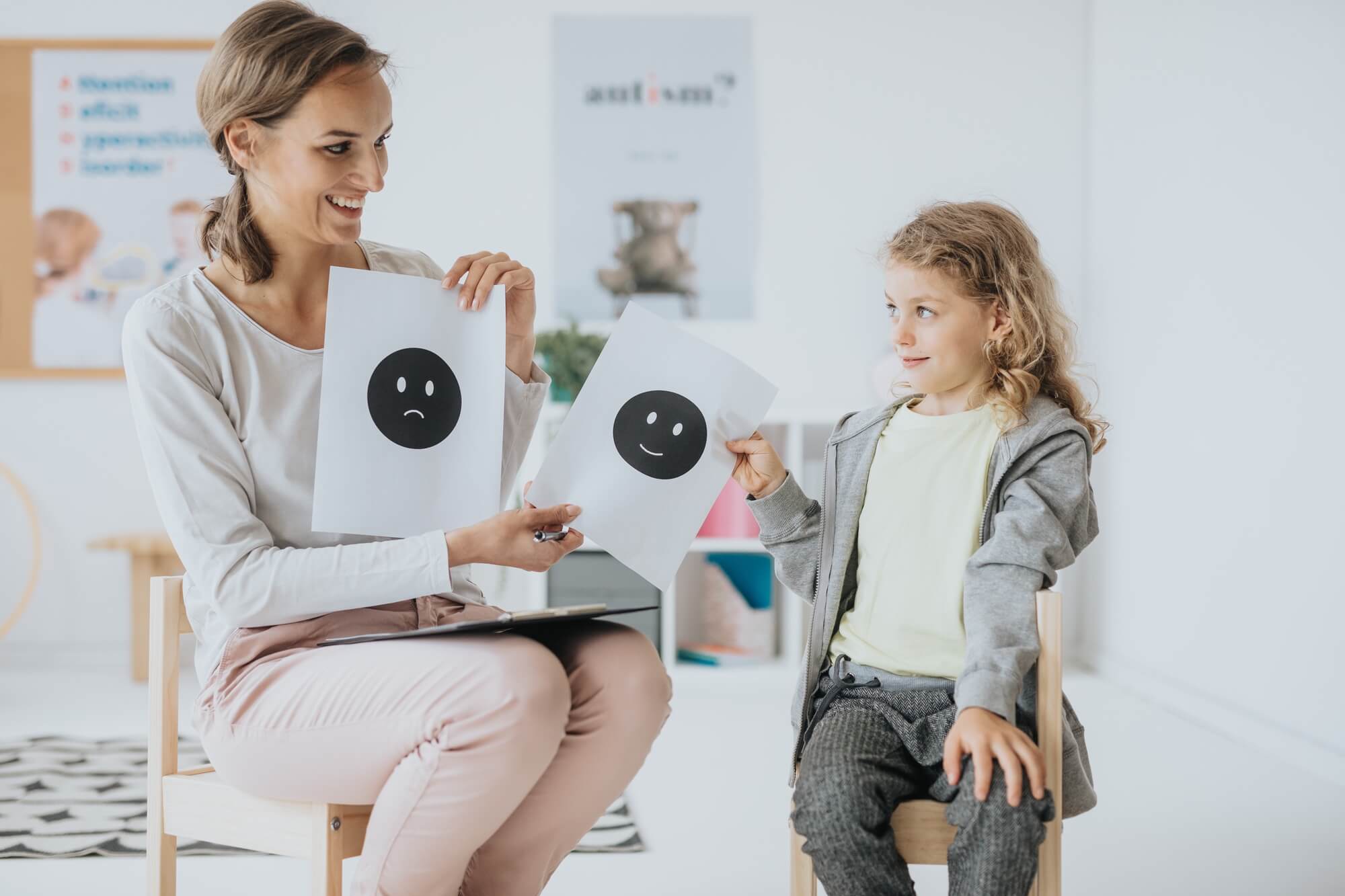
Art therapy for children provides a developmentally appropriate, creative way for kids to express emotions, process experiences, and build emotional regulation skills, especially when words feel hard to find.
Children often communicate through play, imagery, and creativity long before they can articulate complex feelings. Art therapy meets children where they are, offering a safe, supportive space to explore emotions through drawing, painting, sculpting, collage, and other expressive mediums.
What Is Art Therapy for Children?
Art therapy for children is facilitated by trained mental health professionals who integrate creative expression into evidence-based therapeutic care. The goal is not to create “good art,” but to support emotional expression, nervous system regulation, and psychological growth.
Through the art-making process, children in Juno Beach can express thoughts and feelings that may feel confusing, overwhelming, or unsafe to say out loud. The therapist gently helps the child explore themes that emerge while maintaining emotional safety and trust.
Who Can Benefit from Art Therapy in West Palm Beach?
Art therapy can be especially helpful for children experiencing:
- Anxiety or excessive worry
- Emotional dysregulation or frequent meltdowns
- Behavioral challenges
- Trauma or adverse childhood experiences
- Divorce, loss, or major life transitions
- Social difficulties or low self-esteem
- Sensory sensitivities or neurodivergence
- Difficulty verbalizing emotions
Art therapy is appropriate for a wide range of ages and can be adapted to each child’s developmental level.
How Art Therapy Helps Children Heal
Through art therapy, children in Jupiter and nearby areas can:
- Express emotions in a non-threatening way
- Externalize fears, worries, or difficult experiences
- Develop emotional awareness and vocabulary
- Practice self-soothing and grounding skills
- Improve frustration tolerance and impulse control
- Build confidence, resilience, and a sense of agency
Art allows children to “show” what they feel when words are not yet available.
What Sessions Look Like
Art therapy sessions are structured yet flexible. Depending on the child’s needs, sessions may include:
- Open-ended or guided art activities
- Exploration of feelings, themes, and symbols that arise
- Regulation and grounding techniques
- Support for coping skills and emotional expression
Parents may also receive feedback and guidance to help support emotional growth outside of sessions.
A Trauma-Informed, Child-Centered Approach
Our approach to art therapy is trauma-informed, meaning we prioritize emotional safety, pacing, and nervous system regulation. Children are never pressured to talk about experiences they are not ready to share.
The therapeutic relationship remains central, art is used as a bridge to connection, understanding, and healing.
Is Art Therapy Right for Your Child?
Art therapy may be a great fit if your child:
- Struggles to talk about emotions
- Feels overwhelmed in traditional talk therapy
- Expresses feelings through behavior rather than words
- Benefits from sensory or creative engagement
Our North Palm Beach clinicians collaborate closely with families to determine the best treatment approach for each child.
Getting Started with Art Therapy for Children
If you’re interested in art therapy for your child, we invite you to contact us to schedule a consultation. We’ll discuss your child’s needs, answer questions, and help determine whether art therapy is the right fit.
Creative Art Therapy & Emotional Regulation for Children Across Palm Beach County
Our Palm Beach Gardens Office
We provide a safe, playful, and trauma-informed space at our Palm Beach Gardens location where children can use drawing, painting, and clay to express complex emotions, build emotional regulation skills, and heal when words feel out of reach.
Serving West Palm Beach Families
We support parents and children navigating anxiety, frequent meltdowns, and behavioral struggles across West Palm Beach and nearby areas, offering child-centered creative therapy designed to meet your child at their unique developmental level.
Specialized Pediatric Art Therapists for Your Child's Growth
Whether you are searching for a creative anxiety counselor in North Palm Beach or a gentle trauma-informed child therapist in Jupiter, FL, Juno Counseling can help. We offer accessible, evidence-based, and sensory-friendly youth art therapy across the entire region to help your child thrive.


