


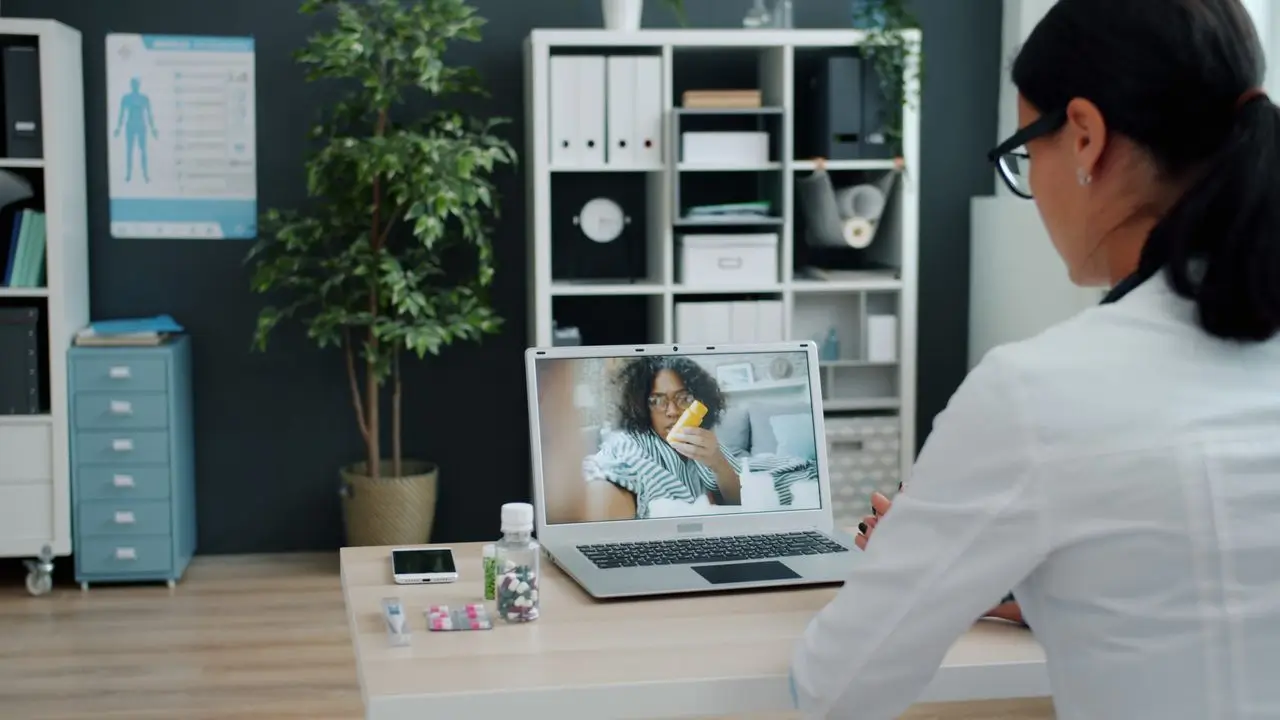
Online therapy can be private, clinically appropriate, and convenient for many clients in Florida when the provider uses the right safeguards and follows applicable confidentiality rules. This page explains how secure online therapy is designed to protect your information, what Florida clients should know before starting telehealth, and what you can do on your side of the screen to support privacy. If you are considering therapy from home, work, school, or while traveling within Florida, understanding online therapy security helps you begin care with clearer expectations.
What privacy protections apply to online therapy in Florida?
For Florida clients, online therapy privacy is shaped by both federal health privacy rules and Florida-specific telehealth and professional confidentiality laws. HIPAA generally protects health information held by covered health care providers, including paper and digital records, and telehealth services provided by covered entities must comply with HIPAA requirements. Florida’s telehealth statute also says telehealth providers must document services using the same standard used for in-person care, and records generated through telehealth, including video, audio, electronic, or other records, are confidential under Florida medical-records laws. (telehealth.hhs.gov)
Florida also recognizes confidentiality and privileged communications in mental health care. Communications with Florida psychologists are confidential under section 490.0147, and communications with professionals regulated under chapter 491, including clinical social work, marriage and family therapy, and mental health counseling, are confidential under section 491.0147. These protections have exceptions, such as written waivers, certain legal or disciplinary matters, and specific serious threats described by Florida law. (flsenate.gov)
A Florida-focused approach to secure online therapy
Our telehealth service is designed for clients who want therapy that fits real life without treating privacy as an afterthought. Sessions may happen from a private room at home, a quiet office, or another secure location where you can speak openly. The goal is to make care accessible while keeping confidentiality central to the process.
A privacy-minded online therapy process typically includes:
- A secure telehealth platform: Covered telehealth providers are expected to use technology vendors that comply with HIPAA and enter into business associate agreements when providing video or remote communication tools for telehealth. (telehealth.hhs.gov)
- Clear informed consent: Before or during intake, clients should understand how telehealth works, what risks may exist, how records are maintained, and how emergencies are handled.
- Professional recordkeeping: Florida requires telehealth providers to document telehealth services in the patient’s medical record according to the same standard used for in-person services. (flsenate.gov)
- Appropriate access limits: HIPAA guidance emphasizes safeguards such as access controls, audit controls, and the “minimum necessary” standard for using or disclosing patient health data. (telehealth.hhs.gov)
- Confidential communication planning: HIPAA gives individuals the right to request alternative means or locations for receiving confidential communications, such as a specific phone number or address. (hhs.gov)
This matters in everyday situations. A college student in Gainesville may need sessions between classes, a parent in Tampa may need evening telehealth after children are asleep, and a professional in Miami may need discreet communication that does not arrive through a shared household email. Privacy planning turns those concerns into practical steps before the first session.
Legal and regulatory considerations for Florida clients
Telehealth is not a separate, lower standard of care. The Florida Board of Clinical Social Work, Marriage and Family Therapy and Mental Health Counseling explains that Florida’s section 456.47 establishes telehealth standards, including patient evaluation and recordkeeping, and that Florida licensees can provide telehealth to Florida patients they can treat in person. Out-of-state practitioners generally must be registered with the Florida Department of Health to provide telehealth services to patients located in Florida, unless a specific exemption applies. (floridasmentalhealthprofessions.gov)
Several legal frameworks may affect online therapy privacy Florida clients should understand:
- HIPAA Privacy Rule: Protects individually identifiable health information and generally limits how protected health information may be used or disclosed.
- HIPAA Security Rule: Applies to electronic protected health information and is one reason secure systems, role-based access, and vendor review matter in telehealth.
- HIPAA Breach Notification Rule: Applies when certain unsecured protected health information is breached.
- Florida Statute section 456.47: Addresses telehealth standards and states that telehealth records are confidential under Florida medical-records provisions. (flsenate.gov)
- Florida Statute section 456.057: Governs ownership, control, access, and disclosure of patient records, and generally restricts disclosure without authorization except as otherwise allowed by law. (leg.state.fl.us)
- Florida chapters 490 and 491: Include confidentiality and privileged communication protections for psychologists and chapter 491 mental health professionals. (flsenate.gov)
- 42 CFR Part 2: May apply to certain substance use disorder treatment records and provides additional confidentiality protections for covered SUD treatment programs. (telehealth.hhs.gov)
- Florida Information Protection Act: Florida law includes breach-related protections for personal information, including medical history, mental or physical condition, medical treatment or diagnosis, and health insurance identifiers. (flsenate.gov)
These frameworks do not mean every detail is absolute or identical in every situation. They do mean a Florida telehealth provider should be prepared to explain privacy practices, emergency procedures, technology safeguards, record access, and when disclosure may be required or permitted.
What stays private and what may need to be shared
In therapy, confidentiality means your provider does not freely share what you discuss. Your session content, treatment information, diagnosis information when applicable, scheduling details, billing information, and clinical records should be handled with appropriate privacy safeguards. HIPAA also gives special protection to psychotherapy notes, which generally require authorization for use or disclosure except in specific circumstances listed by the rule. (hhs.gov)
There are limits to confidentiality, and a responsible provider should explain them in plain language. In Florida, mental health privilege may be waived when the client agrees in writing, and disclosure may be required in specific threat-related circumstances described in Florida statutes for psychologists and chapter 491 professionals. Florida medical-records law also allows certain disclosures without written authorization in situations such as care coordination with providers involved in treatment, properly noticed subpoenas, certain research uses with identity protections or written permission, and investigations involving abuse, neglect, or exploitation as described in the statute. (flsenate.gov)
For clients, the practical takeaway is simple: private does not mean secret under every circumstance, but it does mean your information should not be casually exposed, sold, discussed, or released outside the rules that apply to your care. If you have concerns about a partner, parent, employer, school, insurer, or legal matter, raise them before your first full session so communication preferences and documentation questions can be addressed early.
Your role in online therapy security
A provider is responsible for professional safeguards, but your environment also affects privacy. Telehealth works best when both sides treat the session like a private clinical appointment, not a casual video call. Small choices can make a meaningful difference.
Before each session, use this privacy checklist:
- Choose a room where other people cannot overhear you.
- Use headphones if you share a home, office, dorm, or vehicle.
- Avoid public Wi-Fi when possible, especially in cafés, airports, hotels, or shared workspaces.
- Close unrelated browser tabs and apps before joining the session.
- Keep your device updated with current security patches.
- Use a strong passcode, password, or biometric lock on your device.
- Tell your therapist if anyone else is in the room or may enter.
- Ask in advance how to reconnect if the video call drops.
- Confirm the best private phone number or email for scheduling and follow-up.
If you live with others, privacy may require planning. Some clients sit in a parked car, use a white-noise machine outside the door, schedule sessions when roommates are away, or choose a lunch break in a private office. The right setup is the one that lets you speak honestly without worrying about who can hear.
A clear start for Florida telehealth clients
Beginning online therapy should feel organized, not uncertain. A professional intake process helps confirm that telehealth is appropriate, that you are located where the provider can legally serve you, and that you understand confidentiality before sharing sensitive information. Florida location matters because telehealth rules often depend on where the client is physically located at the time of service. (floridasmentalhealthprofessions.gov)
When you reach out, you can expect a privacy-conscious process such as:
- Initial contact: Share basic information needed to request care, using the contact method offered by the practice.
- Eligibility and location review: Confirm that you are seeking services in Florida and that online therapy is suitable for your needs.
- Consent and privacy review: Receive information about telehealth, confidentiality, recordkeeping, communication preferences, and limits to privacy.
- Secure session access: Use the designated telehealth system or approved communication method for your appointment.
- Ongoing privacy check-ins: Update your therapist if your location, household privacy, emergency contact, or communication needs change.
Secure online therapy is built on more than software. It depends on thoughtful clinical policies, Florida-compliant practice standards, and a shared plan for protecting your privacy before, during, and after each appointment.
Schedule a confidential telehealth consultation
If you are looking for online therapy in Florida and privacy is one of your top concerns, that is a valid place to begin the conversation. Ask how sessions are conducted, how records are protected, what platform is used, what happens in an emergency, and how communications can be tailored to your privacy needs.
Contact the practice to request a confidential telehealth consultation and discuss whether online therapy is a good fit. You deserve care that is accessible, professional, and clear about online therapy security from the first step.
Frequently Asked Questions About Online Therapy in Florida
Is online therapy private in Florida?
Yes. Online therapy can be private when appropriate technology, clinical procedures, and confidentiality safeguards are used. Florida mental health professionals must follow applicable professional confidentiality requirements whether therapy takes place in person or through telehealth.
Is virtual therapy in Florida HIPAA compliant?
Telehealth provided by health care providers who are subject to HIPAA must comply with applicable HIPAA privacy and security requirements. Practices should use appropriate systems for transmitting and storing protected health information.
Can my therapist record an online therapy session?
Therapy sessions are not automatically recorded simply because they take place online. Recording a session raises additional consent, privacy, documentation, and legal considerations. If you have concerns about recording, ask your therapist directly about the practice's policy.
Can someone else in my house listen to my therapy session?
Your therapist can protect privacy on the provider's end, but they cannot completely control your physical environment. If other people are nearby, using headphones, a private room, white noise, or another private location can make it less likely that your conversation will be overheard.
Can I do online therapy from my car?
Some clients use a parked car because it provides more privacy than their home or workplace. The vehicle should be safely parked, and you should be somewhere you can participate comfortably without driving or being distracted.
Can I have online therapy from work?
Possibly. The main consideration is whether you have a genuinely private location where coworkers, clients, or supervisors cannot overhear the session. A closed private office may work well, while an open workspace generally does not.
Can I do telehealth therapy anywhere in Florida?
Generally, a Florida-licensed therapist may provide telehealth to an appropriate client who is physically located in Florida, subject to the therapist's scope of practice and other applicable requirements. Your therapist may ask you to confirm your location at the beginning of each session.
Can I see my Florida therapist online while I am traveling out of state?
Not automatically. The therapist must consider the laws and licensing requirements of the state or jurisdiction where you are physically located during the appointment. Tell your therapist before traveling so they can determine whether a session can legally take place.
Is online therapy as confidential as in-person therapy?
The same basic professional duty of confidentiality applies. Online therapy introduces additional technology and environmental considerations, but appropriate telehealth systems and privacy practices are designed to address those risks.
What if I share a home with my partner or family?
Tell your therapist if privacy at home is difficult. Together, you can think through options such as using headphones, scheduling appointments at quieter times, using white noise, changing communication preferences, or identifying another private place where you can attend sessions.
Can my employer find out that I am attending online therapy?
Therapists do not ordinarily disclose your treatment to an employer simply because you participate in online therapy. However, insurance arrangements, employer-sponsored programs, documentation requests, or other circumstances can create additional considerations. Ask your therapist about confidentiality if workplace privacy is a concern.
How do I know whether an online therapist can legally treat me in Florida?
Ask whether the clinician is licensed or otherwise legally authorized to provide services to clients physically located in Florida. The relevant issue for telehealth is generally where the client is located at the time services are provided.
Is online therapy a good option if privacy is one of my biggest concerns?
It can be. For some clients, telehealth actually creates more privacy because they do not have to enter a therapy office, take additional time away from work, or explain where they are going. For others, finding a private space at home can be challenging. A telehealth consultation can help you decide whether online or in-person therapy fits your circumstances better.
Schedule a confidential telehealth consultation
If you are looking for online therapy or virtual therapy in Florida and privacy is one of your top concerns, that is a reasonable place to begin the conversation.
You can ask how sessions are conducted, what technology is used, how records are protected, what happens if there is an emergency, and how appointment communications can be tailored to your privacy needs.
Contact Juno Counseling and Wellness to request a confidential telehealth consultation and discuss whether online therapy is a good fit for you.
You deserve mental health care that is accessible, professional, and clear about privacy from the beginning.


