


Why this question is so difficult for parents
Teenagers are supposed to experience stress. Between academics, friendships, sports, social media, changing bodies, and the gradual push toward independence, adolescence naturally involves strong feelings and uncertainty. A teen who complains about a presentation, gets nervous before a game, or worries about fitting in is not necessarily experiencing an anxiety disorder. The challenge for parents is recognizing when anxiety has moved from an occasional response to a persistent force shaping the teenager’s choices. It is possible for a young person to appear successful and still feel overwhelmed much of the time. Parents sometimes hear “I’m fine,” even as bedtime gets later, mornings become tense, and once-enjoyed activities begin to disappear. Rather than looking for one dramatic symptom, pay attention to changes from your child’s usual patterns and to how much distress or impairment those changes create.
What normal teenage stress can look like
Everyday stress tends to rise around a specific demand and ease when that demand passes. A student might have trouble sleeping the night before a major exam, feel irritable during finals week, or worry about a new social group. They can usually recover, reconnect with friends, and return to familiar routines. Their emotions may be intense, but they still have some flexibility. They can attend the event despite nervousness, enjoy something else afterward, or accept reassurance without needing it repeatedly. Stress also serves a useful function: it can signal that something matters and help us prepare. The aim is not to raise a teenager who never feels afraid. It is to help a teenager learn that uncomfortable feelings are manageable, that uncertainty can be tolerated, and that anxiety does not have to make every important decision.
Signs anxiety may be becoming a larger problem
Consider the frequency, intensity, duration, and effect of a teen’s worries. Does the same fear return almost every day? Is the teenager avoiding classes, clubs, driving, social events, or ordinary conversations? Do physical symptoms such as stomachaches, headaches, shakiness, or nausea repeatedly appear before stressful situations? Some teenagers ask endless “what if” questions, seek constant confirmation that everything will be okay, or spend hours replaying conversations. Others become perfectionistic, procrastinate until a task feels impossible, or react with anger when an anxious feeling is exposed. Anxiety is not always visible as nervousness. It can look like withdrawal, frustration, controlling behavior, or an insistence that something is “stupid” or “not worth doing.” No single sign proves a diagnosis, but a concerning pattern deserves curiosity and attention.
If you are exploring options for professional care, learn more about working with a teen therapist in Palm Beach Gardens.
The difference between avoidance and genuine rest
Parents understandably want to protect their children from distress. If a teenager is panicked about a party or class presentation, allowing them to skip it may bring immediate relief to everyone. Yet repeated avoidance can unintentionally teach the brain that the situation was dangerous and that escape was the reason nothing bad happened. Over time, the world may begin to feel smaller. This does not mean forcing a teenager into overwhelming experiences or ignoring genuine safety concerns. It means distinguishing restorative rest from anxiety-driven avoidance and helping a teen take manageable steps toward what matters. A teen who needs one quiet evening after a demanding week is different from one who stops attending school because of mounting fear. Small, supported exposures to appropriate challenges can build confidence more effectively than either pushing too hard or removing every obstacle.
How anxiety can affect school and achievement
An academically strong teenager can be especially easy to overlook. Straight A’s do not necessarily indicate emotional wellness. High-achieving students may spend excessive time checking work, panic over minor mistakes, or feel that anything less than perfection is failure. Other adolescents struggle with starting assignments, not because they lack motivation, but because the possibility of doing something imperfectly feels unbearable. Teachers may see missing work, frequent nurse visits, requests to leave class, or significant distress around tests. At home, the student may fall apart after holding everything together through the school day. Instead of concentrating only on grades, ask what school is costing your teen emotionally. Are they sleeping, eating, maintaining friendships, and experiencing moments of enjoyment? Those clues often reveal more than a report card.
Social anxiety, friendships, and the online world
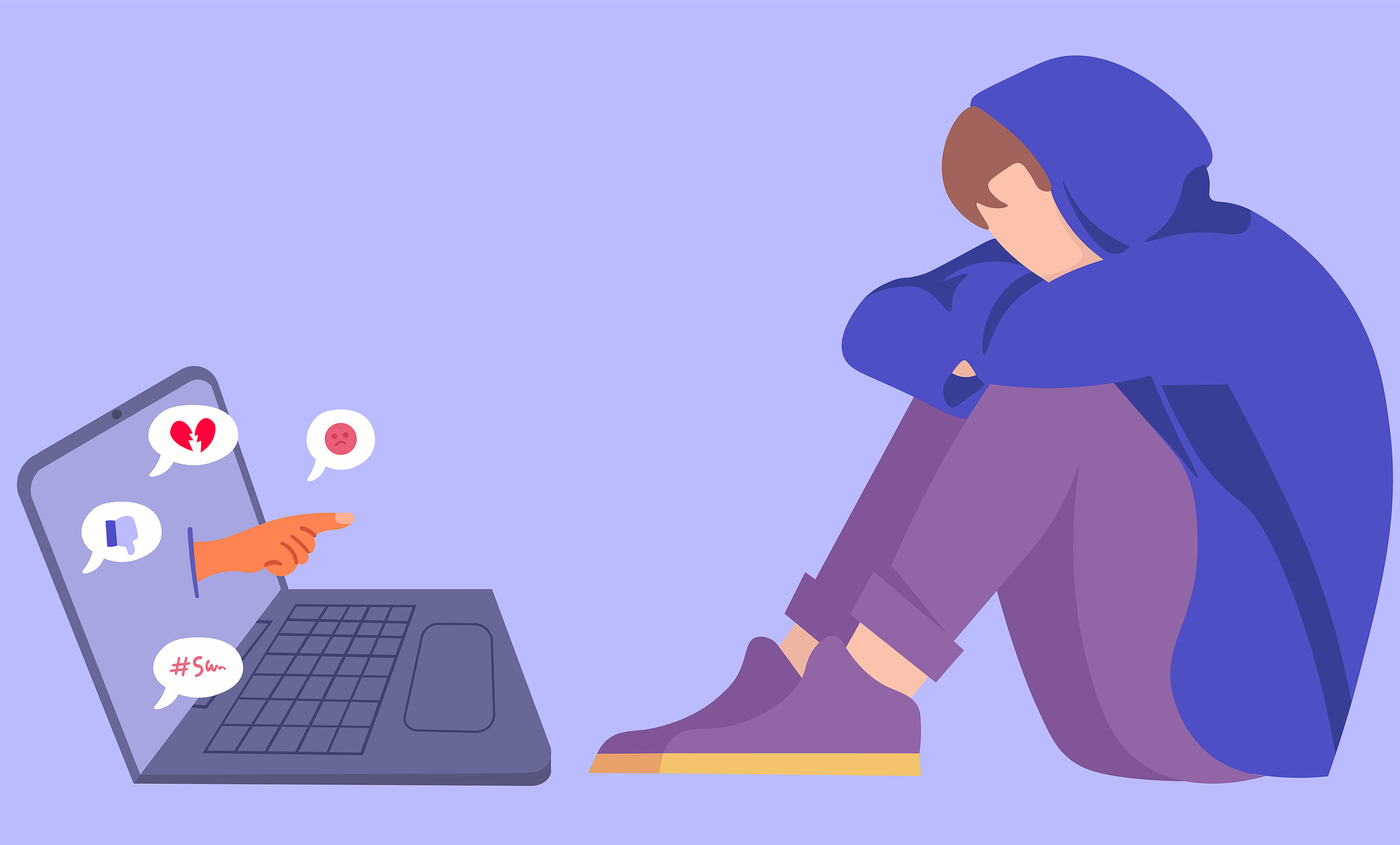
Adolescence involves an unusually strong sensitivity to peer acceptance. A teen might be preoccupied with whether a friend is upset, whether a group chat excluded them, or whether a picture will be judged. Social anxiety becomes more concerning when the fear of scrutiny leads to persistent isolation or avoidance of meaningful opportunities. Digital life can intensify comparison because teenagers encounter edited versions of other people’s experiences and may feel reachable at all hours. Parents do not have to blame the phone for every problem to recognize that constant social evaluation is exhausting. Ask what happens emotionally before and after online interactions. Work together on boundaries that protect sleep and create room for activities where a teen can feel competent, connected, and present beyond the screen.
What to say when your teen seems anxious
Start with observations rather than accusations: “I’ve noticed mornings have felt really hard lately,” or “You seem exhausted after school, and I want to understand.” Questions like “What part feels hardest?” invite more detail than “Why are you being dramatic?” Validation is not the same as agreeing with every anxious prediction. You can acknowledge, “That sounds scary,” while remaining open to the possibility that the feared outcome is unlikely. Try to resist immediate lectures or ten-step solutions. A short, calm conversation may be more productive than a long discussion held when either of you is overwhelmed. If your teenager does not want to talk right away, communicate that you are available and return to the topic gently. Respect matters, especially when a young person already feels out of control.
For more individualized support, connect with a therapist for teenage anxiety.
When professional support makes sense
A useful threshold is whether anxiety persists, causes significant distress, interferes with everyday life, or continues to expand despite support at home. Therapy may be appropriate when school attendance drops, friendships shrink, sleep is disrupted, reassurance becomes constant, or family routines revolve around preventing anxious reactions. You do not need to wait for a crisis or a formal diagnosis. A therapist can assess the broader picture and help identify whether anxiety, depression, trauma, learning differences, stress, medical issues, or several factors are involved. If physical symptoms are new or concerning, consult a pediatrician as well. When a teen expresses thoughts of suicide, self-harm, or immediate danger, seek urgent evaluation rather than relying on a routine counseling appointment.
What therapy for teenage anxiety may involve
Effective care usually begins with building trust. Adolescents are more willing to engage when they feel respected rather than sent to therapy as a punishment. Depending on the young person’s needs, treatment may include identifying thought patterns, practicing emotion regulation, approaching feared situations gradually, learning to tolerate uncertainty, and exploring identity, relationships, or past experiences that contribute to anxiety. Parents may receive guidance on supportive responses and on reducing accommodations that accidentally maintain avoidance. Progress rarely looks like never feeling anxious again. More meaningful signs include attending a difficult class, speaking up to a friend, sleeping more consistently, or attempting something despite fear. A qualified clinician will tailor the approach to the adolescent, explain confidentiality and its limits, and collaborate appropriately with caregivers.
Finding a teen therapist in Palm Beach Gardens
Families looking for a teen therapist in Palm Beach Gardens may want to ask about experience with adolescent anxiety, rapport-building, caregiver involvement, and coordination with schools when appropriate. At Juno Counseling & Wellness, Alyssa DiGiovanna, MA, RMHCI, NCC, works with teens and adults navigating anxiety, trauma, relationships, and life transitions. She is a Registered Mental Health Counselor Intern practicing under supervision. Parents seeking a therapist for teenage anxiety can learn more about her approach before deciding whether she may be a good fit. Families in Jupiter and the wider Palm Beach County area can ask Juno about in-person services in Palm Beach Gardens and Florida telehealth options. The most important starting point is not a perfect label for what is happening; it is a willingness to explore the teen’s experience with care.
To learn more about Juno’s approach, explore Alyssa’s profile for teen counseling in Palm Beach Gardens.
A practical first week at home
Choose one calm moment to ask your teen what feels most difficult, without demanding an immediate solution. Keep sleep and mealtimes as predictable as your family reasonably can, and notice whether screens are crowding out restorative time. Identify a single manageable situation your teenager has been avoiding and discuss what support would make a first step possible. Resist measuring success only by compliance or grades. Write down when worries occur, what the teen avoids, and what helps them recover; these observations can be useful in a professional consultation. Parents benefit from their own support, too. Staying regulated when your teenager is distressed can be difficult, especially when the family is exhausted. You do not have to solve everything in one conversation. Consistent attention, realistic expectations, and timely help can change the trajectory.
Frequently Asked Questions
How do I know if my teen has anxiety or is just stressed?
Look for persistent worry, avoidance, physical symptoms, and interference with school, sleep, friendships, or family life. Ordinary stress usually eases when a challenge passes. A professional evaluation can help clarify a concerning pattern.
Can a teen have anxiety and still get good grades?
Yes. Some anxious teenagers maintain high grades through perfectionism, overpreparation, or intense fear of failure. Academic performance alone does not reveal how much distress a teen is experiencing.
Should I force my anxious teenager to go to school?
There is no one-size-fits-all answer. Avoidance can strengthen anxiety, but the response should reflect safety, severity, school factors, and clinical guidance. A collaborative, gradual return plan is often preferable to either punishment or indefinite avoidance.
What does a therapist for teenage anxiety do?
A therapist assesses the teen’s concerns and may teach coping skills, emotion regulation, flexible thinking, and gradual ways to face appropriate challenges. Treatment often includes caregiver guidance while respecting the teen’s privacy.
Where can I find teen anxiety therapy in Palm Beach Gardens?
Juno Counseling & Wellness offers teen therapy in Palm Beach Gardens. Alyssa DiGiovanna, MA, RMHCI, NCC, works with adolescents and adults and practices under supervision. Families can review her bio and contact the practice about fit and availability.
When is teen anxiety an emergency?
Seek immediate help if your teen is in imminent danger or has suicidal thoughts with intent or a plan. In the United States, call 911 for immediate danger or contact 988 for crisis support.
About Alyssa DiGiovanna
Alyssa DiGiovanna, MA, RMHCI, NCC, is a Registered Mental Health Counselor Intern practicing under supervision at Juno Counseling & Wellness in Palm Beach Gardens, Florida. She works with teens and adults addressing anxiety, trauma, relationship concerns, identity, and life transitions. Read Alyssa’s bio and contact Juno to discuss fit and appointment availability.
Educational information only. This article is not a diagnosis or a substitute for individualized mental health or medical care.


