


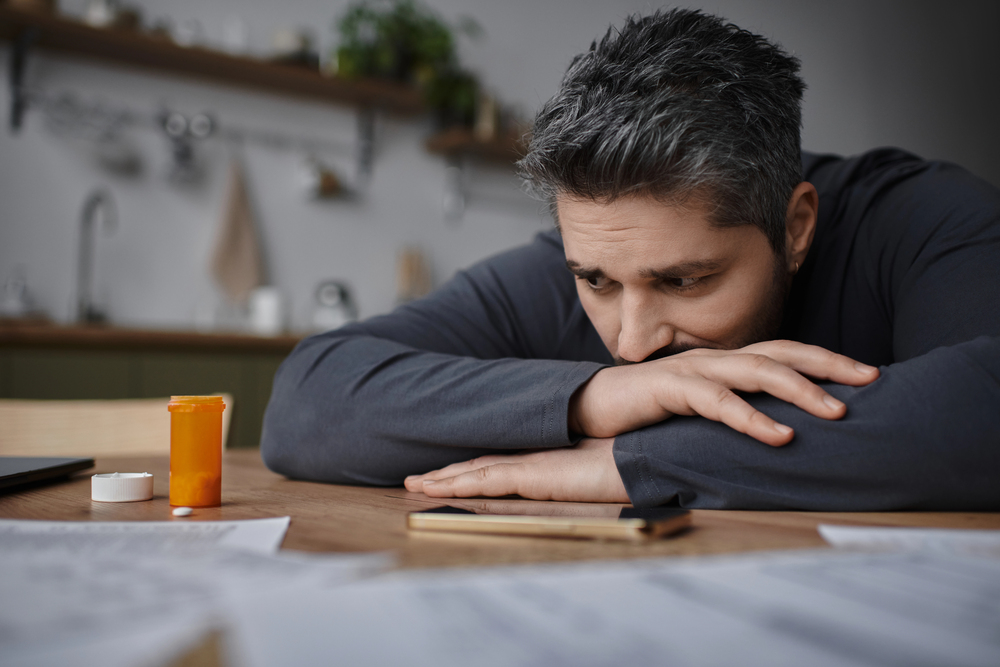
Uncommon Physical Symptoms Linked to Anxiety
By Vassilia Binensztok, PhD
Have you ever wondered, can you have anxiety and not know it? While most people naturally associate fear and anxiety with racing thoughts, constant worrying, or a racing heart, the human body often bears the brunt of our hidden mental stressors in entirely unexpected ways. Welcome to the perplexing world of Uncommon Physical Symptoms Linked to Anxiety.
When your mind is overwhelmed, your body speaks up. Let’s dive into the fascinating, sometimes bizarre ways your nervous system processes stress, and how you can reclaim your peace of mind.
The Hidden Face of Panic: Unexplained Nervousness
One of the most frustrating experiences is dealing with anxiety for no reason. You might be sitting on your couch, watching a movie, when suddenly your chest tightens. It’s entirely normal to ask yourself, why am I so anxious for no reason? or why do I feel nervous for no reason?
This phenomenon of feeling anxious for no reason can be incredibly isolating. You may find yourself Googling, why do I feel anxious for no reason? or why do I have anxiety for no reason? Some even phrase it as, why have I got anxiety for no reason?
To understand this, we have to look at where does anxiety come from and what causes anxiety. Often, it stems from a subconscious build-up of chronic stress. Even if your conscious mind feels relaxed, your brain's amygdala might perceive a lingering threat, triggering clear autonomic nervous system dysregulation signs. Your fight-or-flight response activates, flooding your body with adrenaline and cortisol, resulting in a physical reaction without an obvious mental trigger.
Recognizing the Signs: Beyond the Mind
Figuring out how to tell you have anxiety, especially when the signs are purely physical, can be confusing. You might find yourself questioning, what kind of anxiety do I have?
Anxiety presents differently across demographics. For instance, the signs and symptoms of anxiety in women often include severe fatigue, insomnia, and hormonal disruption. A common signs of anxiety in woman is a feeling of emotional exhaustion masking itself as physical illness. Meanwhile, anxiety symptoms in men frequently manifest as irritability, muscle tension, or gastrointestinal distress.
Regardless of gender, standard anxiety symptoms like sweating or a fast pulse are well known. But what about the weird physical symptoms of anxiety?
Neurological and Sensory Oddities
When examining anxiety physical symptoms, the nervous system plays some strange tricks:
- Tingling and Numbness: Neurological manifestations of panic attacks often include unusual tingling sensations in extremities. You might feel pins and needles in your hands, feet, or even your face.
- Sensory Distortions: Your senses can go haywire under stress. Identifying stress-related vision changes, such as tunnel vision, blurriness, or seeing "snow," is crucial so you don't panic further. Additionally, there is a strong connection between tinnitus and high stress, meaning your anxiety might be causing that frustrating ringing in your ears.
- Dizziness and Smells: Doctors have increasingly noted vestibular migraines and anxiety links, which can cause sudden, severe vertigo. Even stranger, some individuals find themselves coping with anxiety-related phantom smells(olfactory hallucinations), smelling smoke or chemicals that aren't there when their stress peaks.
Breathing and Throat Issues
During severe anxiety attack symptoms, or the dreaded anxiety attack cycle (where the fear of having an attack triggers one), your respiratory system takes a hit.
- Air Hunger: You might feel like you can't get a satisfying, deep breath. Finding relief for anxiety-driven air hunger involves practicing diaphragmatic breathing to reset your oxygen levels.
- Hyperventilation: Rapid breathing leads to chronic hyperventilation syndrome effects, which can cause chest pain and lightheadedness.
- Throat Tightness: Does anxiety cause globus sensation? Yes. The feeling of a lump in your throat that makes it hard to swallow is a direct result of stress-induced muscle tension in the esophagus.
Gut, Skin, and Muscles
The mind-body connection is undeniable when looking at the somatic symptoms of chronic stress.
- Digestive Distress: Does anxiety make you feel sick? Absolutely. The gut-brain axis perfectly explains why does anxiety cause digestive issues like nausea, bloating, and irritable bowel syndrome (IBS).
- Skin Breakouts: Cortisol spikes can trigger inflammation, leaving you managing stress-related skin rashes, hives, or eczema flare-ups.
- Muscle Spasms: Random twitching in your eyelids, arms, or legs is common. Effective anxiety-induced muscle twitching management requires prioritizing magnesium intake, hydration, and progressive muscle relaxation.
The Lifecycle of Panic: Duration and Intensity
A common question for those suffering is, how long does anxiety last? While an acute panic attack typically peaks within 10 to 30 minutes, the aftermath can linger. Some people experience a low-grade anxiety attack lasting days, characterized by persistent dread, brain fog, and muscle aches.
Understanding the different types of anxiety, from Generalized Anxiety Disorder (GAD) to panic disorder and health anxiety, can help you contextualize your symptoms and seek the right treatment.
How to Differentiate Anxiety from Physical Illness
When bizarre symptoms arise, you might wonder, why is my anxiety getting worse? Often, it’s because you are worried that your symptoms are a sign of a life-threatening disease.
Learning how to differentiate anxiety from physical illness is a critical step in recovery. The rule of thumb is to always consult a medical professional to rule out organic health issues. If your blood tests, EKGs, and neurological exams come back clear, yet the symptoms persist, it is highly likely that an overactive nervous system is the culprit. Accepting this diagnosis is often the first step to true healing.
Moving Forward: Management and Relief
So, how to get rid of anxiety? Effective anxiety management is a multi-faceted approach. It involves:
- Therapy: Cognitive Behavioral Therapy (CBT) helps rewire catastrophic thinking.
- Nervous System Regulation: Practices like cold exposure, vagus nerve stimulation, and meditation signal to your brain that you are safe.
- Lifestyle Adjustments: Reducing caffeine, prioritizing sleep, and regular exercise burn off excess adrenaline.
The most hopeful questions people ask are, can anxiety go away? and does anxiety ever go away? The resounding answer is yes. While you may always experience normal human stress, chronic, debilitating anxiety and its bizarre physical manifestations can be overcome. By
understanding the mind-body connection and giving your nervous system the safety it craves, you can quiet the hidden physical alarms and reclaim a peaceful, vibrant life.
Frequently Asked Questions About Physical Symptoms of Anxiety
Can anxiety cause physical symptoms without feeling mentally anxious?
Yes. Anxiety can absolutely show up physically even when you do not consciously feel emotionally anxious. Chronic stress and nervous system dysregulation can trigger symptoms like dizziness, chest tightness, nausea, tingling, fatigue, or muscle tension before your mind fully recognizes stress.
What are some uncommon physical symptoms of anxiety?
Uncommon physical symptoms of anxiety can include tingling sensations, numbness, dizziness, phantom smells, ringing in the ears (tinnitus), blurry vision, throat tightness, digestive problems, muscle twitching, skin rashes, and feelings of air hunger or difficulty taking a deep breath.
Why do I feel anxious for no reason?
Feeling anxious “for no reason” is often related to subconscious stress accumulation or an overactive nervous system. Even when there is no immediate threat, the brain’s fight-or-flight response can become activated due to chronic stress, unresolved emotional tension, or heightened nervous system sensitivity.
Can anxiety cause dizziness and vertigo?
Yes. Anxiety can affect the vestibular system and contribute to dizziness, lightheadedness, balance issues, and even vertigo-like sensations. Hyperventilation and stress hormones can also disrupt blood flow and breathing patterns, increasing these symptoms.
Does anxiety cause digestive issues?
Absolutely. Anxiety strongly affects the gut-brain connection and can contribute to nausea, bloating, stomach pain, diarrhea, acid reflux, and irritable bowel syndrome (IBS). Chronic stress often increases inflammation and digestive sensitivity.
Can anxiety make your throat feel tight?
Yes. Anxiety can cause “globus sensation,” which feels like a lump or tightness in the throat. This is often caused by stress-related muscle tension and changes in breathing patterns during anxious states.
How long can physical anxiety symptoms last?
A panic attack may peak within 10–30 minutes, but physical symptoms of anxiety can linger for hours, days, or longer—especially if the nervous system remains dysregulated or stress levels stay elevated.
How do I know if my symptoms are anxiety or a medical condition?
It is always important to rule out medical causes first. If medical testing comes back normal but symptoms continue during periods of stress or anxiety, the nervous system may be contributing to the symptoms. Anxiety can closely mimic many physical health conditions.
Can anxiety cause muscle twitching and numbness?
Yes. Anxiety can trigger muscle tension, adrenaline surges, hyperventilation, and nervous system overstimulation, which may lead to twitching, tingling, pins-and-needles sensations, or numbness in different areas of the body.
What helps calm physical symptoms of anxiety?
Helpful strategies include therapy, diaphragmatic breathing, mindfulness, exercise, sleep support, reducing caffeine, nervous system regulation techniques, hydration, and stress management practices. Cognitive Behavioral Therapy (CBT) and nervous system-focused interventions can be especially effective.
Can anxiety symptoms go away completely?
Yes. While everyone experiences occasional stress, chronic anxiety and its physical symptoms can improve significantly with treatment, lifestyle changes, nervous system regulation, and emotional healing. Many people fully recover from debilitating anxiety symptoms over time.


