


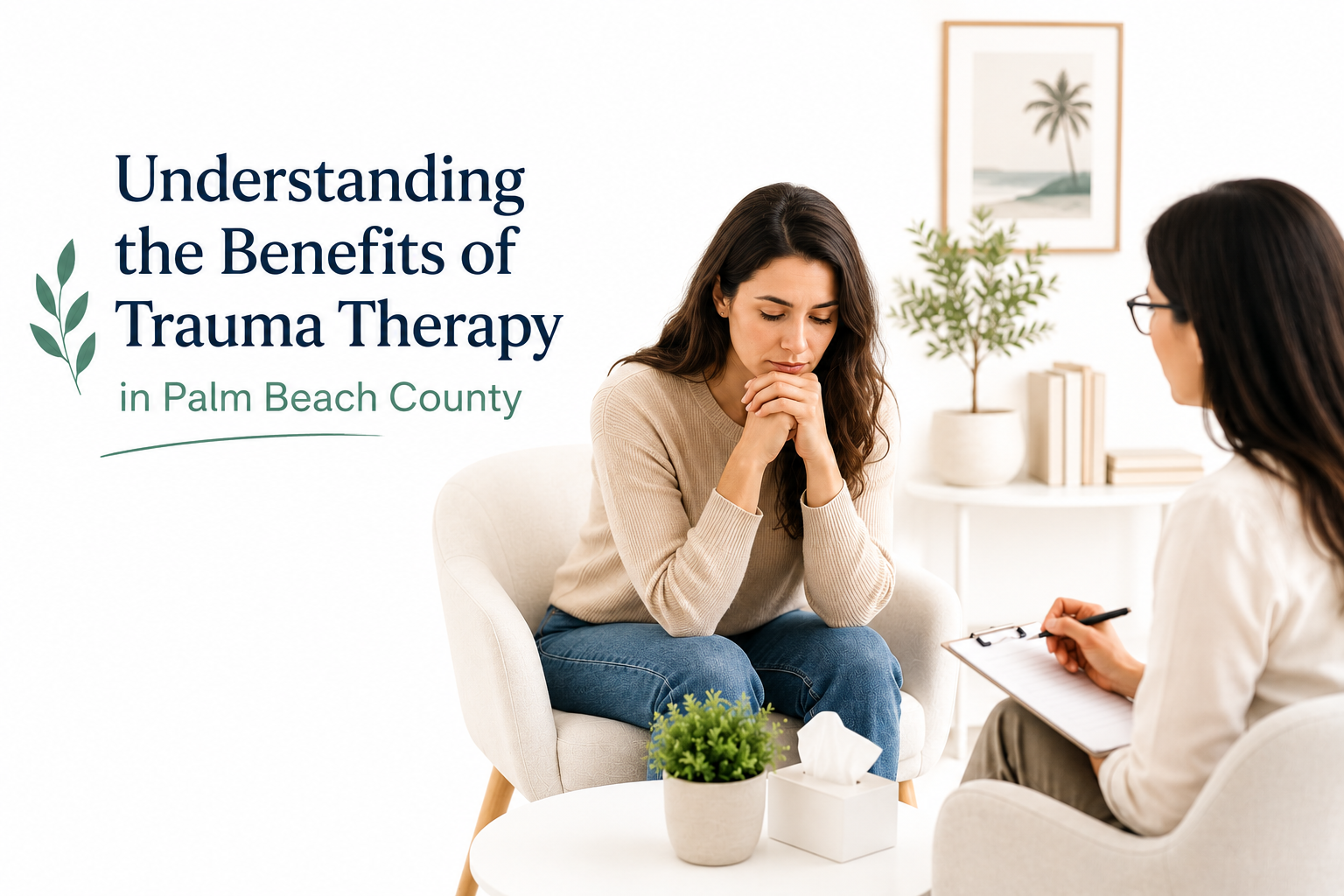
Compassionate Care When the Past Still Feels Present
Trauma can affect the way you think, feel, sleep, connect, work, and move through everyday life. For some people, the impact begins after a single event. For others, it builds over time through repeated stress, loss, abuse, neglect, violence, accidents, medical experiences, military service, or sudden life changes. No matter how trauma entered your life, you deserve support that is steady, respectful, and tailored to your pace.
Trauma therapy offers a safe, structured space to understand what happened, reduce distressing symptoms, and build practical tools for healing. The goal is not to force you to relive painful experiences or “get over it.” Instead, trauma-informed care helps you regain a sense of control, reconnect with your strengths, and move toward a life that feels more grounded.
If you are searching for mental health support in the Florida, trauma-focused counseling may be an important step toward feeling safer in your body, your relationships, and your daily routine.
What Is Trauma Therapy?
Trauma therapy is a specialized form of counseling designed to help people process and recover from overwhelming experiences. Unlike general talk therapy that may focus broadly on stress, relationships, or life transitions, trauma therapy considers how the nervous system, memory, emotions, and behavior can be shaped by traumatic experiences.
A trauma-informed therapist understands that symptoms are often survival responses. Anxiety, numbness, irritability, avoidance, nightmares, hypervigilance, shame, and difficulty trusting others are not personal failures. They can be signs that your mind and body are trying to protect you from danger, even when the danger has passed.
Depending on your needs, trauma therapy may include:
- Learning coping skills for anxiety, panic, or emotional overwhelm
- Understanding how trauma affects the brain and body
- Identifying triggers and developing grounding strategies
- Building a stronger sense of safety and self-trust
- Processing traumatic memories at a manageable pace
- Improving communication and relationship patterns
- Addressing symptoms related to PTSD, complex trauma, grief, or chronic stress
A good therapist will work collaboratively with you, explain the process, and adjust treatment based on your comfort level and goals.
Signs You May Benefit From Trauma-Focused Support
You do not need a formal diagnosis to seek help. Many people begin therapy because they feel stuck, disconnected, or unlike themselves after something difficult happened. Others seek care because old experiences are resurfacing during a new life stage, relationship, move, pregnancy, loss, or major transition.
Trauma therapy may be helpful if you experience:
- Flashbacks, intrusive memories, or nightmares
- Feeling constantly on edge or easily startled
- Avoiding people, places, conversations, or reminders
- Emotional numbness or feeling detached from others
- Difficulty sleeping or relaxing
- Guilt, shame, self-blame, or negative beliefs about yourself
- Anger, irritability, or sudden mood shifts
- Panic, anxiety, or physical tension
- Trouble concentrating or feeling present
- Relationship struggles linked to trust, boundaries, or safety
- A sense that your past is interfering with your current life
For people experiencing post-traumatic stress symptoms, PTSD treatment with a qualified mental health professional can help reduce symptom intensity and improve day-to-day functioning.
Key Benefits of Trauma Therapy
Healing from trauma is not always linear, but the right support can make the path feel less isolating. Trauma therapy provides both emotional care and practical strategies you can use outside of sessions.
A Safer Way to Process Painful Experiences
Many people worry that therapy will require them to share every detail before they are ready. Trauma-informed care is different. Your therapist can help you build stability first, then approach difficult memories gradually if and when it is clinically appropriate.
This helps reduce the risk of becoming overwhelmed and allows you to stay connected to the present while working through the past.
Better Understanding of Triggers and Responses
Trauma can make ordinary situations feel threatening. A sound, smell, tone of voice, date, location, or conflict may activate strong reactions before you can make sense of them. Therapy helps you identify these patterns and respond with more awareness.
Over time, you may begin to recognize what is happening in your nervous system and use grounding skills before symptoms escalate.
Tools for Anxiety, Panic, and Emotional Overwhelm
Trauma therapy often includes skills for calming the body, regulating emotions, and returning to the present moment. These tools may include breathing practices, sensory grounding, mindfulness, guided imagery, movement-based techniques, or coping plans for high-stress situations.
These strategies are not about ignoring pain. They help you create enough steadiness to face life with more confidence.
Improved Relationships and Boundaries
Trauma can affect the way you connect with others. You may find yourself withdrawing, people-pleasing, fearing abandonment, expecting conflict, or struggling to express your needs. Therapy can help you explore these patterns without judgment.
As healing progresses, many people become more comfortable setting boundaries, asking for support, recognizing safe relationships, and communicating more clearly.
Reduced Shame and Self-Blame
One of the most painful effects of trauma is the belief that what happened was your fault or that your reactions mean something is wrong with you. A trauma-informed therapist can help you challenge these beliefs and develop a more compassionate understanding of your experience.
Healing often begins when you can see your responses as survival strategies rather than flaws.
Support for PTSD Symptoms
If you are seeking PTSD treatment, therapy can help address symptoms such as flashbacks, avoidance, hyperarousal, negative mood changes, and persistent fear. Treatment may focus on helping your brain and body learn that the traumatic event is no longer happening in the present.
With consistent care, many people experience fewer intrusive symptoms, improved sleep, and a greater sense of stability.
Common Approaches Used in Trauma Therapy
Trauma therapy is not one-size-fits-all. A therapist may use one approach or combine several methods based on your symptoms, preferences, history, and goals.
Common trauma-informed approaches include:
- Cognitive Behavioral Therapy: Helps identify and shift thought patterns that contribute to distress.
- Cognitive Processing Therapy: Often used for PTSD treatment, especially when trauma has led to guilt, shame, or stuck beliefs.
- EMDR Therapy: Uses bilateral stimulation while processing distressing memories and experiences.
- Somatic Therapy: Focuses on how trauma is held in the body and supports nervous system regulation.
- Trauma-Focused CBT: Often used with children, teens, and families after traumatic experiences.
- Mindfulness-Based Therapy: Helps build present-moment awareness and reduce reactivity.
- Attachment-Based Therapy: Explores how early or relational trauma affects trust, connection, and emotional safety.
Your therapist can explain which options may be appropriate and help you choose a treatment plan that feels supportive.
What to Expect in Your First Sessions
Starting therapy can feel intimidating, especially if trust has been difficult in the past. The first sessions are usually focused on getting to know you, understanding your concerns, and creating a foundation of safety.
You may discuss:
- What brings you to therapy now
- Symptoms you are experiencing
- Your personal goals for treatment
- Current stressors and support systems
- Medical or mental health history, if relevant
- Coping tools that have or have not helped
- Your preferences, boundaries, and pace
You should not have to share detailed trauma memories before you feel ready. A therapist’s role is to support you, not pressure you. Therapy works best when it is collaborative and consent-based.
Trauma Therapy for Adults, Teens, and Families
Trauma can affect people at any age. Adults may seek therapy after years of carrying unresolved pain. Teens may need support after bullying, loss, violence, family conflict, accidents, or stressful life changes. Families may benefit when trauma has affected communication, trust, or emotional safety at home.
Trauma-informed mental health support can be adapted to different ages and needs. For children and teens, therapy may involve caregivers when appropriate. For adults, treatment may focus on personal healing, relationship patterns, workplace stress, parenting, or rebuilding identity after trauma.
No matter your stage of life, the goal is to help you feel more supported, capable, and connected.
Local and Online Mental Health Support
Finding the right therapist is an important part of healing. Many people prefer working with a provider near their community, while others value the flexibility of secure online sessions. Depending on availability and licensing, trauma therapy may be offered in person, virtually, or through a combination of both.
When choosing a provider, consider asking:
- Do you have experience working with trauma and PTSD symptoms?
- What therapy approaches do you use?
- How do you help clients feel safe during sessions?
- Can we move at a pace that feels manageable?
- Do you offer in-person, online, or hybrid appointments?
- How do you approach goals and treatment planning?
A strong therapeutic relationship is built on trust, respect, and clear communication. It is okay to ask questions before beginning care.
When to Reach Out for Help
You do not have to wait until things feel unbearable to seek support. Therapy can be helpful whether your symptoms are new, long-standing, mild, or disruptive. If trauma is affecting your sleep, mood, relationships, work, school, parenting, or sense of safety, reaching out is a meaningful step.
If you are in immediate danger or may harm yourself or someone else, call emergency services right away or contact a crisis support resource in your area. Therapy is important, but urgent safety needs should be addressed immediately.
Take the Next Step Toward Healing
Trauma can make life feel smaller, heavier, and more unpredictable. With compassionate care, it is possible to build coping skills, process painful experiences, and reconnect with a stronger sense of self.
If you are ready to explore trauma therapy or want to learn more about PTSD treatment, reach out to a qualified mental health professional in your area. Support is available, and you do not have to navigate this process alone.
Frequently Asked Questions About Trauma Therapy
How do I know if I need trauma therapy?
You may benefit from trauma therapy if you continue to feel affected by a difficult experience long after it happened. Common signs include anxiety, panic attacks, nightmares, flashbacks, avoiding reminders of the event, difficulty trusting others, emotional numbness, irritability, or feeling constantly on edge. You do not need to have PTSD or experience a life-threatening event to seek help. If your past is affecting your daily life, relationships, work, or overall well-being, speaking with a trauma-informed therapist can be beneficial.
Can trauma therapy help even if my trauma happened years ago?
Yes. Many people seek trauma therapy years—or even decades—after a traumatic experience. Sometimes symptoms don't appear until a new life event, relationship, or stressful situation brings old wounds to the surface. Trauma therapy can help you understand how past experiences continue to affect you and develop healthier ways of coping, regardless of when the trauma occurred.
What is the best type of therapy for trauma?
There is no single "best" trauma therapy because treatment should be tailored to each person's needs. Evidence-based approaches may include EMDR, Cognitive Processing Therapy (CPT), Trauma-Focused Cognitive Behavioral Therapy (TF-CBT), somatic therapies, mindfulness-based interventions, and attachment-focused therapy. A qualified trauma therapist will recommend an approach based on your symptoms, goals, and personal history.
Do I have to talk about everything that happened in trauma therapy?
No. A common misconception is that trauma therapy requires you to immediately relive painful memories. In reality, most trauma-informed therapists focus first on helping you feel safe, build coping skills, and develop emotional stability. You and your therapist decide together if and when to process traumatic memories, always moving at a pace that feels manageable.
Can trauma therapy help with anxiety and panic attacks?
Yes. Many people experience anxiety, panic attacks, or chronic stress as a result of unresolved trauma. Trauma therapy helps identify how your nervous system responds to perceived danger while teaching practical strategies for emotional regulation, grounding, and reducing physical symptoms of anxiety. As underlying trauma is addressed, many people notice improvements in both anxiety and panic symptoms.
How do I choose a trauma therapist in Palm Beach?
When looking for trauma therapy in Palm Beach, choose a licensed mental health professional with specialized training in trauma treatment. Ask about their experience treating PTSD and complex trauma, the therapy approaches they use, whether they offer in-person or virtual sessions, and how they help clients feel safe during treatment. Feeling comfortable and understood by your therapist is one of the strongest predictors of successful therapy.


