


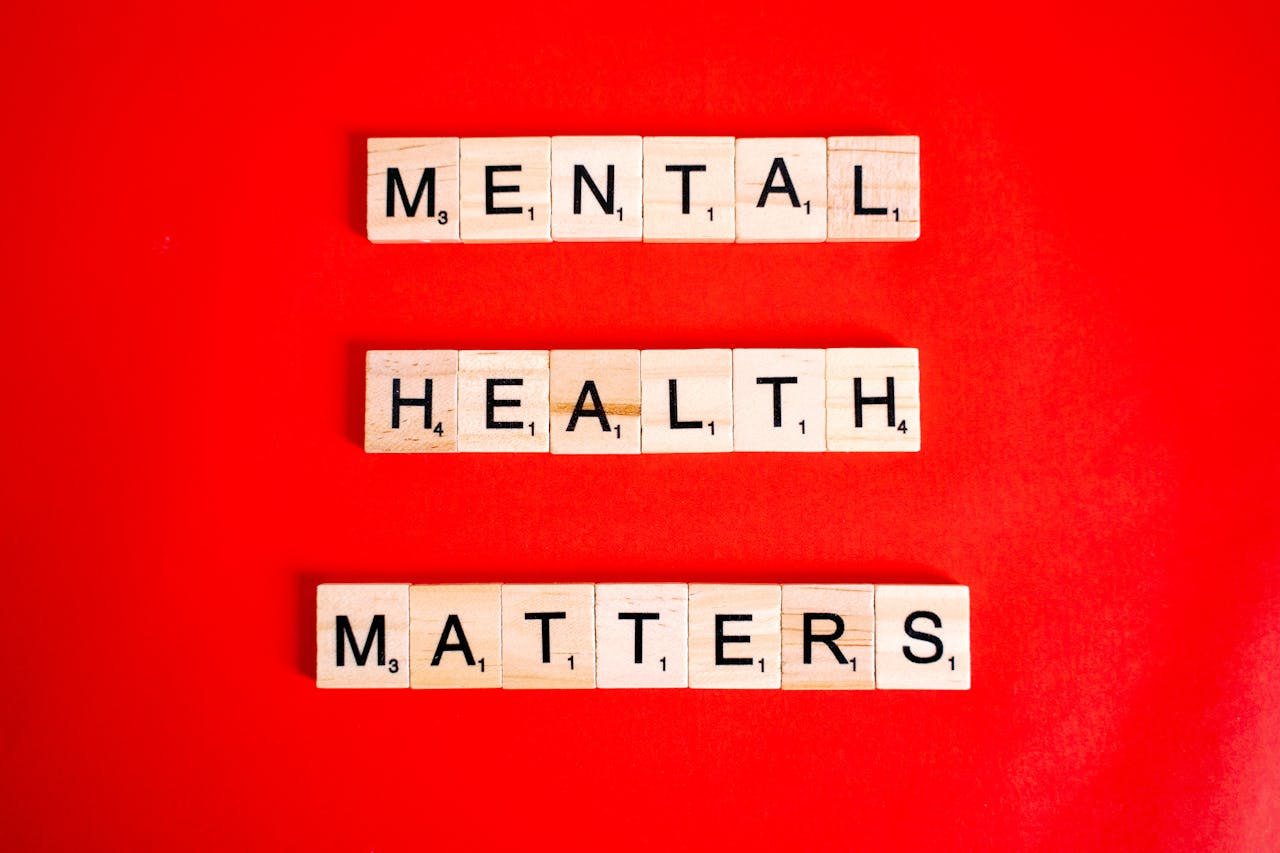
We all possess mental health, much like we have physical health. Yet, while society knows exactly how to treat a sprained ankle, discussing a "heavy" week often feels off-limits. According to public health organizations, resolving the confusion between mental health and illness requires recognizing that our emotional well-being operates on a universal spectrum everyone experiences.
Rather than acting as clinical interventions, everyday mental health awareness activities serve as proactive wellness routines, think of them as "mental warm-ups" similar to physical stretching. In practice, this peer advocacy builds a vital bridge between feeling overwhelmed and finding support. While many ask what month is mental health awareness month(it is May), practicing these habits ensures a supportive environment year-round.
Turning May into a Movement: How to Start the Conversation at Home
While Mental Health Week in May brings awareness to the public, real shifts happen around your kitchen table. Just as we remove our shoes indoors, our minds need transition rituals, small, predictable actions signaling the shift from work to home. A simple five-minute buffer, like changing clothes or listening to a favorite song before engaging with family, lowers the day's stress and prepares us for meaningful daily check-ins.
Developing emotional literacy, the ability to name specific feelings beyond just "good" or "bad", deepens these connections. Wondering how to start a mental health conversation at home without making it feel like a clinical intervention? Try these dinner table prompts:
- "What drained your energy today, and what recharged you?"
- "Do you need to just vent right now, or are you looking for advice?"
- "What is one specific way I can support you tomorrow?"
Listening without rushing to fix the problem reduces emotional pressure and validates their experience. Mastering these supportive habits at home naturally highlights the need for similar environments elsewhere, paving the way for building psychological safety at work: beyond generic "lunch and learns."
Building Psychological Safety at Work: Beyond Generic 'Lunch and Learns'
Creating a supportive office requires more than a mandatory seminar. The real goal is establishing psychological safety, a culture where team members comfortably speak up about feeling overwhelmed without fear of punishment. Think of it as an invisible safety net for well-being. Recognizing the benefits of psychological safety in the workplace isn't just good for morale; teams with high safety frequently see productivity increase by 20% or more because employees aren't wasting energy hiding their struggles.
Translating this into action starts with low-pressure activities like a "Wellness Wall." Designate a breakroom whiteboard (or a shared digital tool to accommodate virtual and in-person wellness events) where staff can post sticky notes sharing their favorite stress-relief tactics. This normalizes the conversation and sets the stage for interactive mental health workshops for employees. Skip the dry lectures and try these engaging themes:
- Boundary Setting 101: Teaching teams how to effectively disconnect after hours.
- Modeling Vulnerability: Leaders sharing their personal stress management routines.
- The Energy Audit: Mapping daily tasks to protect team capacity.
Proactive habits shift the focus toward true burnout prevention, ensuring support isn't just a crisis response. Once this openness takes root at work, that momentum naturally spills outward, paving the way for reducing stigma through community storytelling and walkathons.
Reducing Stigma Through Community Storytelling and Walkathons
Expanding support outward relies on community-led mental health initiatives. One proven method for reducing mental health stigma through storytelling is hosting a "Human Library." Instead of borrowing a book, attendees "borrow" a person to hear their lived experiences. Because stigma acts like an invisible wall, these genuine conversations provide vital social proof. Seeing neighbors speak openly normalizes the struggle and lowers the barriers to asking for help.
Taking that shared energy outdoors further mobilizes the neighborhood, particularly during mental health awareness events. Group physical activity creates a relaxed environment for connection while demonstrating visible solidarity. To organize a simple mental health walkathon, use this checklist:
- Map the Route: Choose a highly visible, accessible path.
- Partner Locally: Ask neighborhood businesses to sponsor water stations.
- Unify the Message: Pick a clear theme like "Walking for Wellness."
- Provide Resources: Distribute local crisis hotline cards at the finish line.
After establishing this foundation of community openness, the next vital step is teaching resilience early: the benefits of mental health literacy in schools.
Teaching Resilience Early: The Benefits of Mental Health Literacy in Schools
The primary benefit of mental health education in schools is prevention. Integrating social-emotional learning activities for youth teaches them to process stress before it compounds. This early emotional literacy acts as a shield against long-term adult burnout.
Creating a "Calm Corner" brings this theory into daily practice. Instead of a punitive time-out, this designated area offers a safe space where an overwhelmed student can pause, breathe, and self-regulate. It physically demonstrates that managing heavy emotions is a normal, healthy part of the day rather than something to hide.
This early foundation naturally develops into peer advocacy, which is especially visible during broader wellness initiatives. Friends learn to listen compassionately and connect struggling classmates to trusted adults, rather than trying to act as clinical professionals themselves. These same accessible principles apply beyond the classroom when crafting your personal awareness toolkit.
Crafting Your Personal Awareness Toolkit: Daily Mindfulness and Burnout Prevention
Practicing mental health awareness requires accessible daily habits. When overwhelmed, mindfulness-based stress reduction techniques like the 5-4-3-2-1 grounding method offer instant relief, quietly name five things you see, four you touch, three you hear, two you smell, and one you taste. Additionally, establish a "Digital Sunset" to power down screens at a fixed time daily, cementing one of the most effective burnout prevention strategies for remote workers.
Creating a self-care toolkit for beginners ensures physical support is always within reach. Assemble a simple desk-friendly sensory toolkit:
- A textured stress ball to squeeze
- Calming lavender essential oil to breathe in
- Strong peppermint candy to taste
These tactile tools immediately interrupt stress loops, preparing you for the road ahead: transforming one-day awareness into lifelong well-being.
The Road Ahead: Transforming One-Day Awareness into Lifelong Wellbeing
True advocacy extends beyond attending awareness events or wishing peers a happy mental health month. Small, daily actions matter far more than seeking perfection during a designated awareness week.
Treat every month as an opportunity for mental wellness. Which activity will you try this week? By taking one simple step, you lower invisible barriers for others. Awareness sparks action, and those everyday habits ultimately transform our culture.


