


TL; DR
Sleep disorders are common and often deeply intertwined with mental health, trauma, and nervous system regulation. Conditions like insomnia, sleep apnea, restless leg syndrome, circadian rhythm disorders, parasomnias, and hypersomnia can worsen anxiety, depression, ADHD, and mood instability. Identifying and treating sleep disorders, especially through trauma-informed, whole-person care, can significantly improve emotional regulation, cognitive functioning, and overall well-being.
Common Sleep Disorders and Their Impact on Mental Health
Sleep difficulties are often dismissed as minor inconveniences, something to “push through” or fix with a stronger cup of coffee. However, for millions of people, sleep problems are not just about feeling tired. They are symptoms of underlying sleep disorders that can profoundly affect emotional health, cognitive functioning, physical well-being, and quality of life.
Sleep disorders are especially important to understand in the context of mental health. Disrupted sleep can mimic, worsen, or even trigger psychiatric symptoms, while mental health conditions can increase vulnerability to sleep disorders. For individuals with anxiety, depression, ADHD, bipolar disorder, or a history of trauma, untreated sleep disorders often keep the nervous system locked in cycles of dysregulation.
Understanding common sleep disorders is a critical step toward healing, because better sleep is not just about rest. It’s about restoring balance to the brain and body.
Why Sleep Disorders Matter for Mental Health
Healthy sleep allows the nervous system to shift into states of repair, integration, and emotional processing. When sleep is repeatedly disrupted, the brain remains in survival mode. Stress hormones stay elevated, emotional reactivity increases, and the ability to regulate mood, attention, and behavior decreases.
Chronic sleep disruption is associated with:
- Increased anxiety and panic symptoms
- Depressive symptoms and emotional numbness
- Difficulty concentrating and memory problems
- Irritability and low frustration tolerance
- Heightened trauma responses
- Increased risk for mood disorders
For many people, addressing sleep disorders becomes a turning point in their mental health journey.
Insomnia Disorder
What Is Insomnia?
Insomnia is the most common sleep disorder and involves difficulty falling asleep, staying asleep, or waking too early, despite adequate opportunity for sleep. Insomnia can be short-term (acute) or long-term (chronic).
Common Symptoms
- Taking more than 30 minutes to fall asleep
- Frequent nighttime awakenings
- Early morning waking with difficulty returning to sleep
- Non-restorative sleep
- Daytime fatigue or brain fog
Insomnia and Mental Health
Insomnia is closely linked to anxiety, depression, PTSD, and chronic stress. For many individuals, insomnia is driven by hyperarousal of the nervous system, the body remains alert, vigilant, and unable to fully relax.
Importantly, insomnia is not just a symptom. Chronic insomnia increases the risk of developing anxiety and depressive disorders, creating a reinforcing cycle where sleep and mental health continually impact one another.
Obstructive Sleep Apnea (OSA)
What Is Sleep Apnea?
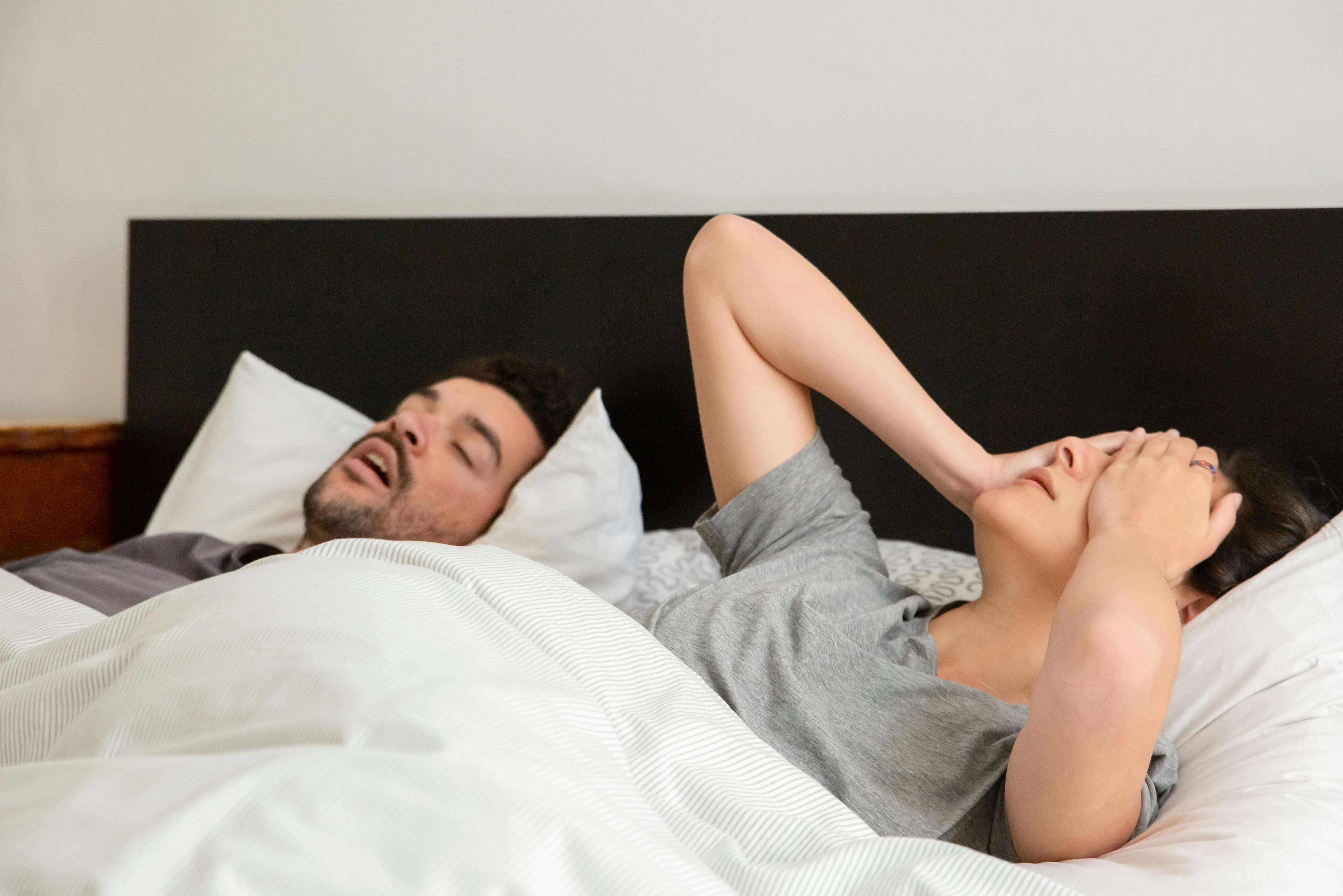
Obstructive sleep apnea is a sleep disorder in which breathing repeatedly stops and starts during sleep due to airway obstruction. These interruptions can occur dozens or even hundreds of times per night, often without the individual realizing it.
Common Symptoms
- Loud snoring
- Gasping or choking during sleep
- Morning headaches
- Excessive daytime sleepiness
- Poor concentration
- Mood changes
Mental Health Impacts
Sleep apnea fragments sleep and deprives the brain of oxygen, leading to significant cognitive and emotional consequences. It is associated with:
- Depression and low mood
- Irritability and emotional volatility
- Anxiety symptoms
- Memory and attention difficulties
Sleep apnea is often underdiagnosed, particularly in women and individuals who do not fit traditional stereotypes. Treating sleep apnea can dramatically improve mood, energy, and mental clarity.
Restless Leg Syndrome (RLS)
What Is Restless Leg Syndrome?
Restless Leg Syndrome is a neurological condition characterized by uncomfortable sensations in the legs and an uncontrollable urge to move them, typically worsening at night.
Common Symptoms
- Tingling, crawling, or aching sensations in the legs
- Symptoms worsening at rest
- Temporary relief with movement
- Difficulty falling or staying asleep
RLS and Mental Health
RLS frequently co-occurs with ADHD, anxiety, and mood disorders. Chronic sleep disruption from RLS can worsen emotional regulation, increase irritability, and contribute to daytime fatigue and distress.
Circadian Rhythm Sleep Disorders
What Are Circadian Rhythm Disorders?
Circadian rhythm disorders occur when an individual’s internal biological clock is misaligned with societal schedules. These disorders are common in adolescents, individuals with ADHD, and people with mood disorders.
Common Types
- Delayed Sleep Phase Disorder: Difficulty falling asleep until very late at night
- Advanced Sleep Phase Disorder: Early evening sleepiness and early morning waking
- Irregular Sleep-Wake Rhythm
Mental Health Connections
Circadian rhythm disruptions can worsen depression, anxiety, and bipolar disorder. When sleep timing is misaligned, the brain struggles to regulate mood, energy, and attention effectively.
Parasomnias (Abnormal Sleep Behaviors)
What Are Parasomnias?
Parasomnias are unusual behaviors or experiences that occur during sleep or transitions between sleep stages.
Common Parasomnias
- Sleepwalking
- Night terrors
- REM sleep behavior disorder
- Sleep talking
Trauma and Parasomnias
Parasomnias are more common in individuals with trauma histories, particularly childhood trauma. Night terrors and vivid dreams can reflect unresolved nervous system activation rather than purely psychological issues.
These experiences are often deeply distressing and may reinforce fear of sleep itself.
Hypersomnia Disorders
What Is Hypersomnia?
Hypersomnia involves excessive daytime sleepiness despite adequate or prolonged nighttime sleep.
Common Symptoms
- Difficulty waking up
- Long sleep durations without feeling refreshed
- Daytime drowsiness
- Brain fog
Mental Health Considerations
Hypersomnia can occur alongside depression, neurological conditions, or medication side effects. It may be misinterpreted as laziness or lack of motivation, when in reality it reflects underlying neurobiological dysregulation.
Trauma, the Nervous System, and Sleep Disorders
Many sleep disorders cannot be fully understood without considering trauma and chronic stress. Trauma can condition the nervous system to remain on high alert, even during sleep.
Common trauma-related sleep patterns include:
- Difficulty falling asleep due to hypervigilance
- Fragmented sleep
- Nightmares or vivid dreams
- Fear of losing consciousness
In these cases, sleep treatment must go beyond surface-level sleep hygiene and address felt safety, nervous system regulation, and emotional processing.
When to Seek Professional Help
Sleep problems may warrant professional evaluation if they:
- Persist for more than a few weeks
- Significantly impact daily functioning
- Worsen mental health symptoms
- Involve breathing interruptions or abnormal behaviors
A comprehensive approach often includes collaboration between mental health professionals, primary care providers, and sleep specialists.
Supporting Sleep and Mental Health Holistically
Improving sleep disorders often requires a whole-person approach, which may include:
- Behavioral and cognitive strategies
- Nervous system regulation techniques
- Trauma-informed therapy
- Lifestyle and environmental changes
- Medical evaluation when appropriate
When sleep improves, many individuals experience meaningful shifts in mood, anxiety, attention, and resilience.
Sleep and Mental Health Support in Palm Beach County
At Juno Counseling & Wellness, we understand that sleep is not separate from mental health, it is foundational to it. Our trauma-informed, nervous-system-aware approach supports individuals across Palm Beach Gardens, Jupiter, and Palm Beach County who are struggling with sleep issues alongside anxiety, depression, trauma, or emotional dysregulation.
Healing begins when the body and mind are finally allowed to rest.


