



Children don’t always have the words to say, “I’m anxious.” Instead, their bodies and behaviors speak for them. As they grow, anxiety may take different forms—loud in some cases, silent in others.
Understanding these shifts can help caregivers, educators, and healthcare professionals recognize when a child’s reactions are rooted in distress rather than disobedience or moodiness.
This is especially important for families navigating childhood trauma and anxiety in Palm Beach Gardens, where early support can significantly impact long-term emotional health.
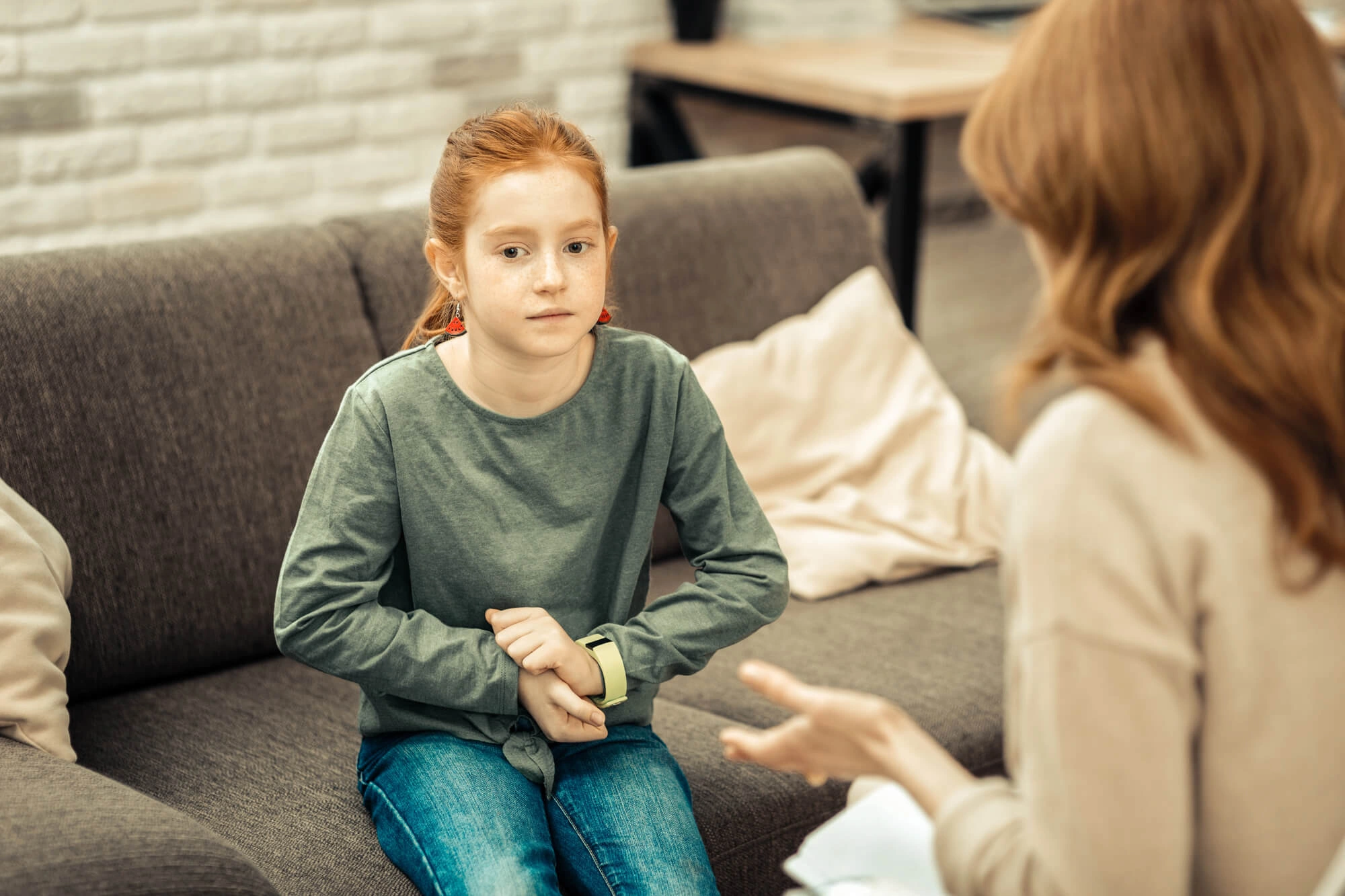
Recognizing Anxiety Through Developmental Stages
Anxiety is not a one-size-fits-all experience. It evolves with age and cognitive development, and can be influenced by trauma, temperament, or life stressors.
Early Childhood (Ages 3–6)
In the preschool years, anxiety is often externalized. Children may struggle with separation, sensory overload, or fear of the unknown. Because their verbal skills are still developing, their distress often shows up in their bodies and behavior.
Common signs:
- Frequent tantrums or meltdowns
- Refusal to separate from caregivers
- Trouble sleeping or nightmares
- Repetitive behavior like rocking or thumb-sucking
- Physical complaints (e.g., tummy aches) with no clear medical cause
When a child has experienced trauma, these reactions may become more frequent and intense. They may respond to seemingly minor stressors as if they're dangerous, due to a nervous system still shaped by past experiences.
School-Age Children (Ages 7–12)
As children enter elementary school, their self-awareness tends to increase. They may start to internalize their anxiety. While some symptoms remain physical, others become more cognitive—expressed through perfectionism, worry, or avoidance.
Common signs:
- School refusal or increased absences
- Perfectionism or fear of making mistakes
- Excessive need for reassurance
- Withdrawing from peers or activities
- Irritability, restlessness, or sleep disturbance
At this stage, children may still lack the vocabulary to articulate their anxiety. They may be labeled as “sensitive” or “difficult” when, in fact, they are overwhelmed by their internal experience.
Adolescents and Teens (Ages 13–18)
Teen anxiety can be especially difficult to identify, as it often overlaps with common developmental changes. However, when trauma or chronic anxiety is involved, the intensity, duration, or frequency of these symptoms may increase.
Common signs:
- Avoidance of social events or public speaking
- Declining academic performance
- Panic attacks or shortness of breath
- Changes in appetite or sleep
- Increased screen time to escape or numb feelings
- Expressions of hopelessness or chronic stress
Teenagers may describe feeling “numb” or “wired.” They might engage in risky behaviors, not out of rebellion, but as an unconscious attempt to regulate their nervous system.
Understanding the Trauma-Anxiety Link
When a child has been through a distressing experience, such as loss, instability, or emotional neglect, their nervous system often adapts to perceive the world as unsafe. This can lead to heightened sensitivity, vigilance, or withdrawal, depending on the child’s internal response style.
The fight-flight-freeze response becomes activated even when the present moment is not threatening. Over time, this can shape a child’s relationship to school, peers, authority figures, and themselves.
Recognizing this link does not mean assuming all anxious children have trauma histories. It means staying curious and compassionate about what might be fueling their behavior, and offering support rooted in understanding, rather than correction.
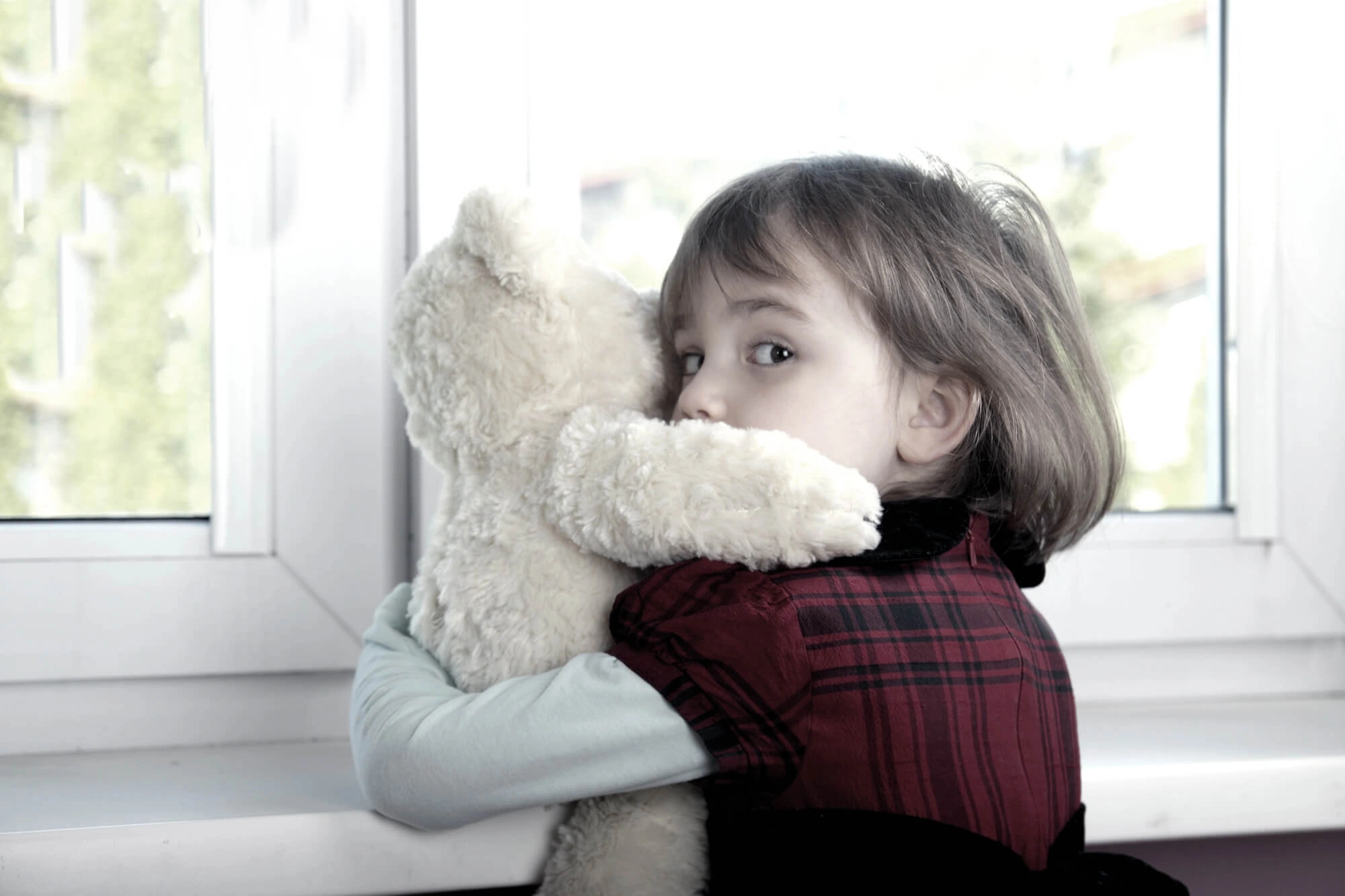
Supporting Childhood Trauma and Anxiety in Palm Beach Gardens
Children need adults who see beyond the behavior and understand what might be driving it. With the right tools, guidance, and a safe therapeutic space, children can learn to manage anxiety, restore a sense of safety, and build resilience.
If you believe your child or a child you care about may be experiencing anxiety related to trauma or stress, support is available.
Reach out to Juno Counseling and Wellness to schedule a consultation. We offer compassionate, trauma-informed support for childhood trauma and anxiety, helping children and families feel more connected, calm, and equipped for what’s ahead.


