


TL;DR
Narcissism exists on a spectrum, from healthy confidence to deeply harmful relational patterns. When narcissistic traits dominate, relationships often involve manipulation, emotional neglect, gaslighting, instability, and erosion of self-worth. Understanding how narcissism develops, how it presents, and how it impacts relationships is essential for protecting yourself, or recognizing traits within yourself. Boundaries, support systems, self-care, and therapy are critical tools for healing and change.
What Is Narcissism?
Narcissism is a term that frequently surfaces in discussions about challenging personalities. Its implications stretch far beyond casual usage, affecting interpersonal dynamics in profound ways. Understanding narcissism is crucial for anyone who suspects they may be dealing with a narcissist, or fears they might have narcissistic tendencies themselves.
Narcissism is characterized by:
- An inflated sense of self-importance
- A deep need for admiration
- A lack of empathy for others
These traits can range from mild to severe, with the most extreme cases diagnosed as Narcissistic Personality Disorder (NPD).
The Psychology Behind Narcissism
Narcissism is rooted in complex psychological constructs. It often involves fragile self-esteem masked by grandiosity. Beneath the appearance of confidence, narcissistic individuals frequently carry deep insecurities and a fear of vulnerability.
This internal contradiction can lead to:
- Defensive behaviors
- Emotional reactivity
- An intense need to protect their self-image at all costs
Narcissism in Modern Culture
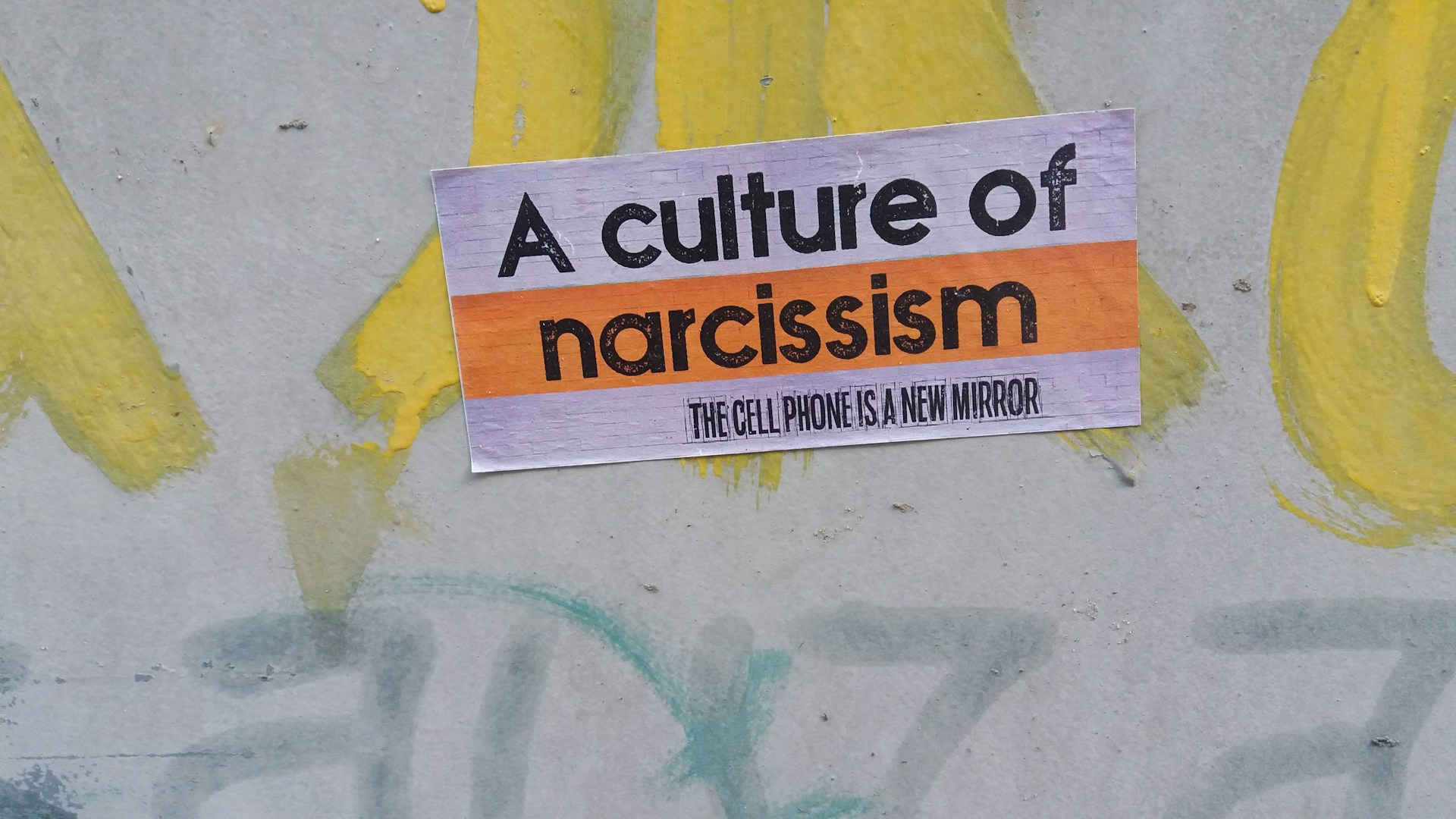
The rise of social media and self-promotion culture has contributed to the increased visibility of narcissistic traits. Platforms that reward attention, validation, and image management can amplify narcissistic tendencies, sometimes normalizing or even celebrating them.
Narcissism Exists on a Spectrum
Narcissism is not all-or-nothing. It exists on a continuum:
- Healthy narcissism may include confidence, ambition, and self-respect
- Pathological narcissism is marked by exploitation, manipulation, entitlement, and lack of empathy
Understanding this spectrum helps identify when narcissistic traits become harmful to relationships.
Causes of Narcissism
Environmental and Developmental Factors
Narcissism is believed to arise from a combination of genetic and environmental influences. Childhood experiences play a pivotal role in shaping self-perception and relational patterns.
Common contributing factors include:
- Overvaluation or excessive praise without limits
- Lack of emotional attunement or guidance
- Excessive criticism or emotional invalidation
Both overindulgence and chronic criticism can distort a child’s sense of self-worth, leading to compensatory narcissistic defenses.
Genetic Influences
Genetics may also predispose individuals to narcissistic traits, such as:
- Low empathy
- Aggression
- Emotional reactivity
Recognizing the genetic component helps shift the narrative away from blame and toward understanding.
Societal and Cultural Influences
High-pressure environments that reward competition, dominance, and image can activate narcissistic traits, especially in those already predisposed.
Common Narcissistic Traits
Identifying narcissism can be difficult, as many narcissists present as charming and confident. Common traits include:
- Grandiosity: Exaggerated sense of importance or superiority
- Need for admiration: Constant craving for attention and validation
- Lack of empathy: Difficulty recognizing or caring about others’ feelings
- Manipulation: Using others to meet personal needs
- Entitlement: Expectation of special treatment
The Charm Mask
Many narcissists use charisma as a protective shield. This charm can be disarming and make it difficult for others to recognize underlying self-centeredness.
Emotional Volatility
Narcissists often exhibit intense emotional reactions, particularly when their self-image is threatened. Minor slights may provoke disproportionate anger, withdrawal, or defensiveness.
Exploitation of Relationships
Relationships are often used as tools for validation, status, or control, frequently leaving others emotionally depleted.
Signs You May Be in a Relationship With a Narcissistic Person
Consider whether your partner:
- Dominates conversations and redirects focus to themselves
- Dismisses or minimizes your emotions
- Avoids accountability and blames others
- Uses guilt, fear, or flattery to control behavior
Emotional Invalidation
Narcissistic partners often dismiss feelings as “too sensitive” or “irrational,” creating emotional confusion and loneliness.
Gaslighting
Gaslighting is a common tactic used to distort reality and undermine self-trust, reinforcing the narcissist’s control.
Idealization and Devaluation Cycle
Many narcissistic relationships follow a predictable pattern:
- Intense attention and admiration
- Gradual withdrawal and criticism
- Emotional confusion and longing for earlier affection
Gender Differences in Narcissism
Narcissism in Men
Male narcissists more commonly display overt narcissism, characterized by:
- Dominance
- Arrogance
- Aggression
- Control-seeking behavior
They often project strength while masking deep fears of inadequacy.
Narcissism in Women
Female narcissists may present with covert narcissism, including:
- Subtle manipulation
- Controlling
- Focus on appearance or social status
Societal expectations can shape how narcissism manifests, making covert behaviors harder to detect.
How Narcissism Impacts Relationships
Emotional Highs and Lows
Narcissistic relationships often feel intense but unstable, marked by affection followed by emotional distance.
Push-Pull Dynamics
Alternating closeness and withdrawal keeps partners emotionally off-balance and anxious.
Poor Communication
Narcissists may interrupt, dismiss, or ignore attempts at emotional expression, leading to resentment and disconnection.
Emotional Neglect
Partners often feel unseen, unheard, and emotionally unsupported.
Erosion of Self-Esteem
Constant criticism and manipulation can cause partners to doubt their worth, perceptions, and identity.
Isolation
Narcissists may intentionally distance partners from friends and family to increase dependence and control.
Protecting Yourself in a Narcissistic Relationship
If you’re involved with a narcissist, emotional self-protection is essential.
Key Strategies
Set Boundaries
Clearly define unacceptable behavior and enforce limits consistently.
Seek Support
Friends, family, and support groups provide perspective and validation.
Practice Self-Care
Prioritize activities that support emotional regulation, grounding, and self-worth.
Consider Therapy
Professional support can help rebuild autonomy, clarify patterns, and support healing, whether you stay or leave.
Final Thoughts
Narcissism can profoundly disrupt relationships, often leaving partners emotionally depleted and isolated. Understanding its roots, traits, and relational impact empowers you to make informed, protective choices. Whether you are navigating a relationship with a narcissist or examining your own tendencies, support, boundaries, and self-awareness are essential.
Healing is possible. Change is possible. And healthier, more balanced relationships are within reach.


