


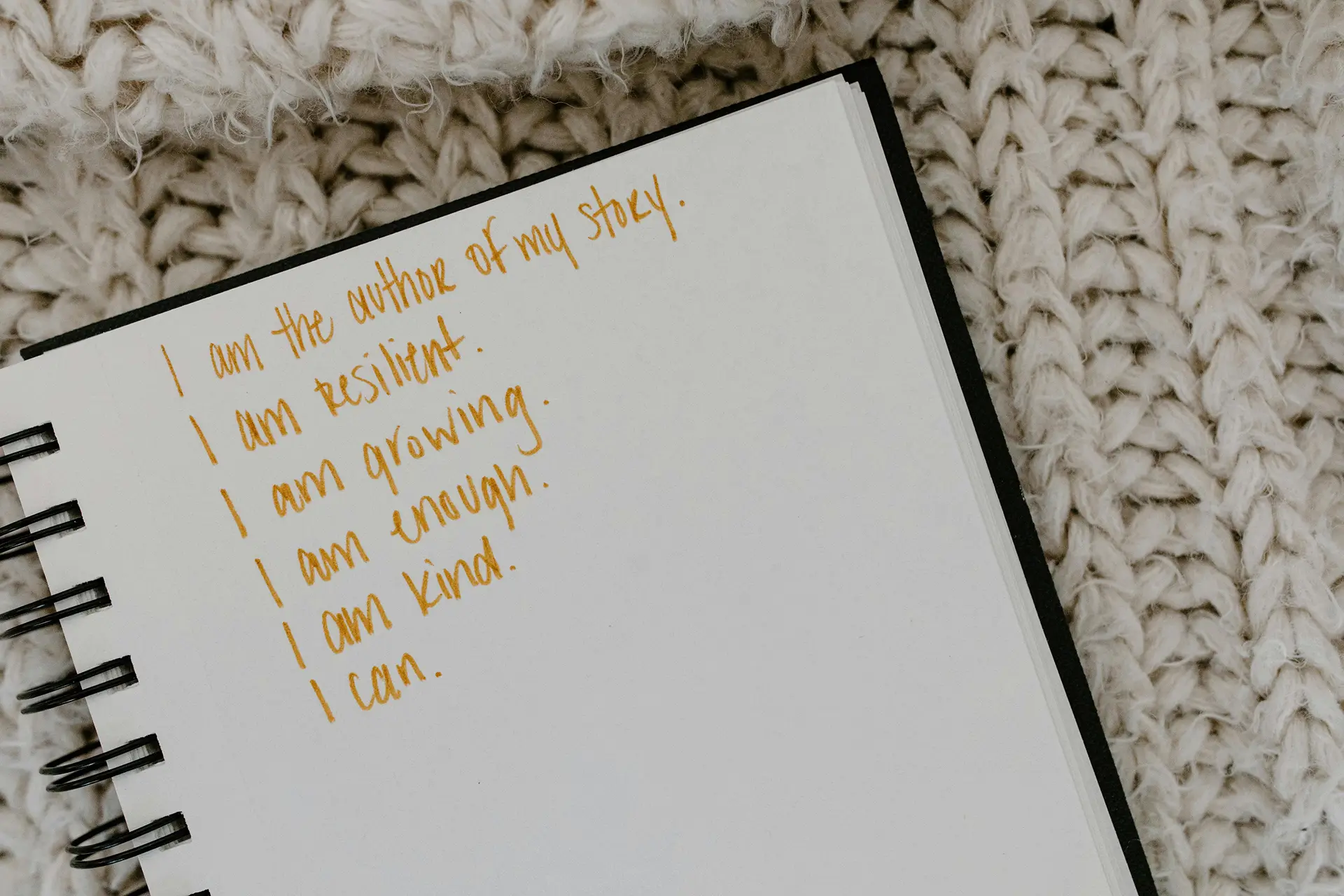
Short positive affirmations are more than inspirational phrases, they are powerful mindset tools that help retrain the brain, build confidence, and shift emotional patterns over time. Whether you’re beginning your healing journey, rebuilding your sense of self, or simply trying to add more positivity to your day, affirmations offer an accessible way to anchor yourself.
In my work as a therapist, I’ve seen firsthand how daily affirmations can help clients change deep self-talk patterns, improve focus, and strengthen emotional resilience. They work best when they are short, specific, repeatable, and emotionally resonant.
This guide explores what affirmations are, why they work, and how to use short positive affirmations to transform your day, whether you are at home, at work, or moving through a difficult moment. You’ll also find practical affirmation examples for specific scenarios, including self-love, anxiety, work stress, confidence, relationships, and more.
Understanding Affirmations
Understanding how affirmations work begins with understanding the nature of self-talk. Every day, you repeat thousands of internal statements to yourself, many automatic, many unconscious. These internal scripts impact your beliefs about who you are, what you deserve, and what you can achieve.
Affirmations simply replace the negative scripts with intentional, supportive ones.
What Are Affirmations?
If you’ve ever wondered what affirmations are, think of them as intentional statements designed to shift:
- Thoughts
- Emotions
- Behaviors
- Identity patterns
Affirmations are rooted in cognitive-behavioral principles, meaning they influence the thoughts that shape behavior and outcomes.
People often search for:
- positive affirmations
- affirmation quotes
- affirmation examples
- positive self-talk quotes
Affirmations are not magic; they’re mental training. Like physical training, the benefits grow with repetition.
How Affirmations Work
Affirmations influence the brain through:
1. Cognitive Reframing
Replacing unhelpful thoughts with supportive ones.
2. Neural Pathway Strengthening
Repeated statements strengthen new neural connections.
3. Emotional Conditioning
Affirmations help regulate the nervous system, especially when paired with slow breathing.
4. Identity Shaping
As you repeat statements like “I deserve respect,” you begin acting in alignment with them.
Affirmations are most effective when they are:
- Short
- Believable
- Present-tense
- Emotionally meaningful
- Repeated consistently
The Power of Short Positive Affirmations
Short positive affirmations are especially powerful because they stick. They act like anchors that interrupt negative thought spirals and redirect attention toward something grounding.
Examples of short affirmations include:
- “I am safe.”
- “I am worthy.”
- “I can do this.”
- “I choose peace.”
These phrases are quick enough to integrate into moments of stress, anxiety, or overwhelm
Importance of Brevity in Affirmations
Why keep them short?
Short affirmations are:
- Easier to remember
- Easier to repeat
- Less overwhelming when stressed
- More effective during emotional dysregulation
- Perfect for grounding exercises
When someone feels panicked, for example, a long affirmation won’t land. But a simple one like “I am okay” becomes a lifeline.
Benefits of Using Short Affirmations
Using short positive affirmations offers many benefits:
Emotional Benefits
- Reduces stress
- Promotes self-soothing
- Strengthens emotional regulation
- Encourages optimism and resilience
Mental Benefits
- Interrupts negative thought cycles
- Supports cognitive reframing
- Improves focus and clarity
- Reinforces healthy beliefs
Physical Benefits
- Helps regulate the nervous system
- Reduces tension
- Encourages deeper breathing
Identity Benefits
- Builds confidence
- Strengthens self-worth
- Encourages empowered decision-making
Daily Affirmations for a Positive Mindset
Daily affirmations, especially positive affirmations for the day, set the tone for your morning. They help you intentionally shape your mindset rather than reacting to the world around you.
Try incorporating:
Morning Daily Affirmations
- “Today, I choose peace.”
- “I am grounded and capable.”
- “I welcome clarity and confidence.”
- “I trust myself.”
Positive Affirmations Quotes for the Day
Short, quotable lines that inspire:
- “Every day is a fresh start.”
- “I deserve good things.”
- “My mind is my home. I keep it safe.”
Powerful Daily Affirmations
- “I am strong in mind, body, and spirit.”
- “I release what no longer serves me.”
- “I rise above fear.”
These simple practices can influence your mood, decisions, and behavior all day long.
Affirmation Examples for Self-Love
Self-love affirmations are essential for healing attachment wounds, rebuilding confidence, and forming a healthier relationship with yourself.
These self-love affirmations and positive affirmations for self-love are short but emotionally powerful.
Short Affirmations for Self-Love
- “I am worthy of care.”
- “I honor my needs.”
- “I am enough.”
- “I choose to treat myself with kindness.”
Affirmation Words for Self Worth
- “Worthy.”
- “Whole.”
- “Deserving.”
Affirmations for Positive Thinking About Yourself
- “I am learning to love who I am.”
- “I embrace my growth.”
- “I am becoming the best version of myself.”
Self-Love Affirmations for Healing
- “I forgive myself for past mistakes.”
- “I release shame and make space for growth.”
- “I deserve compassion.”
Affirmations for Confidence and Self-Esteem
Many people search for affirmations for self-esteem, affirmations for confidence, or affirmations for self-confidence. These statements support resilience, courage, and inner strength.
Short Positive Affirmations for Confidence
- “I can handle this.”
- “I believe in myself.”
- “I trust my voice.”
Self-Image Affirmations
- “I deserve to take up space.”
- “My presence matters.”
- “I am proud of who I am.”
Affirmation Examples for High-Pressure Moments
- “I move with confidence.”
- “I trust my abilities.”
- “I choose courage.”
Good Affirmations for Self-Esteem
- “I am capable and deserving.”
- “I value myself.”
- “I stand strong in who I am.”
Affirmation of the Day Practices
Choosing an affirmation of the day helps center your mind and strengthen emotional grounding.
How to Use a Daily Affirmation
- Write it down
- Say it aloud in the mirror
- Repeat it throughout the day
- Use it as your phone background
- Pair it with slow, intentional breathing
Affirmation of the Day Examples
- “I am calm and in control.”
- “I welcome good things.”
- “I am aligned with my purpose.”
Daily affirmations act like emotional checkpoints—especially powerful during stress or transition.
Incorporating Affirmations into Your Routine
Affirmations work best when they become habits. The goal is consistent repetition.
Ideas for Incorporation
- Morning routine
- Journaling
- Meditation
- Breathwork
- During a walk
- Before sleep
- During stressful moments
- In the car
- As reminders on sticky notes
Bullet-point style powerful daily affirmations can also be kept on your phone for easy access.
Affirmations for Work and Productivity
Work stress is a common trigger for negative self-talk, procrastination, and overwhelm. Daily affirmations for work can help you ground yourself and stay focused.
Short Positive Affirmations for Work
- “I can do hard things.”
- “I am capable and prepared.”
- “I focus on one step at a time.”
Affirmations for Productivity
- “Progress is enough.”
- “I stay calm under pressure.”
- “I bring clarity to my work.”
Affirmation Words for Work Stress
- “Steady.”
- “Focused.”
- “Capable.”
Affirmations for Confidence at Work
- “My ideas matter.”
- “I trust my expertise.”
- “I show up with purpose.”
Creating Your Own Positive Affirmations
While lists of affirmations are helpful, creating your own encourages emotional connection and deeper belief.
How to Write Short Affirmations
Here’s how to create your own:
1. Keep It Short
Aim for one sentence or a few affirmation words.
2. Use Present-Tense
“I am,” not “I will be.”
3. Make It Believable
“ I am learning to love myself” is often better than “I love myself completely.”
4. Make It Emotional
Choose a phrase that resonates physically.
5. Keep It Positive
Avoid “not” statements.
6. Align It with Your Goals
Affirmations for confidence differ from affirmations for peace.
7. Repeat It Often
Repetition strengthens your neural pathways.
List of Positive Affirmations to Started
Below is a comprehensive list of positive affirmations, grouped by theme. These include short positive affirmations, affirmation words, and positive words of affirmation.
Affirmations for Anxiety
- “I am safe.”
- “This feeling will pass.”
- “I choose calm.”
- “My mind and body are slowing down.”
Affirmations for Self-Worth
- “I deserve love and respect.”
- “I am enough.”
- “I honor my needs.”
Affirmations for Healing
- “I release what no longer serves me.”
- “I allow myself to grow.”
- “I am healing every day.”
Affirmations for Motivation
- “I take things one step at a time.”
- “I am moving forward.”
- “I welcome fresh energy.”
Affirmations for Relationships
- “I communicate with clarity and compassion.”
- “I am worthy of healthy love.”
- “I choose mutual respect.”
Affirmations for Stress
- “I breathe in calm and exhale tension.”
- “I choose peace.”
- “I am grounded.”
Affirmations For When You Feel Overwhelmed
- “One thing at a time.”
- “I can pause and breathe.”
- “Peace is available to me.”
Affirmations For When You Doubt Yourself
- “I trust myself.”
- “I am capable.”
- “I’ve handled hard things before.”
Affirmations For When You Feel Lonely
- “I am connected and cared for.”
- “I deserve meaningful relationships.”
- “Love is on its way to me.”
Affirmations For When You’re Healing from Trauma
- “I am safe now.”
- “My story is valid.”
- “I honor my healing pace.”
Affirmations For When You Feel Insecure
- “I am worthy of being seen.”
- “I am enough exactly as I am.”
- “My presence matters.”
Affirmations Before a Difficult Conversation
- “I speak clearly and calmly.”
- “My feelings deserve to be heard.”
- “I choose courage over fear.”
Affirmations During Work Stress
- “I focus on what I can control.”
- “I bring clarity to my tasks.”
- “I am capable and prepared.”
Affirmations For Morning Motivation
- “I choose energy and focus today.”
- “Today, I show up for myself.”
- “Good things are coming.”
Affirmations For For Nighttime Anxiety
- “I am safe to rest.”
- “My body knows how to relax.”
- “I release today.”
Conclusion
Short positive affirmations are small but powerful tools you can use to shift your mindset, rewire negative self-talk, and strengthen daily emotional resilience. They work because they are simple, repeatable, memorable, and emotionally grounding.
When you integrate affirmations into your daily life—morning routines, stressful moments, journaling, breathwork, or nighttime wind-downs—you cultivate a healthier, more intentional relationship with yourself.
Final Thoughts on Transforming Your Mindset
Transforming your mindset doesn’t require massive changes. Sometimes it begins with a few words said consistently—words that remind you who you are, what you deserve, and what you’re capable of becoming.
Affirmations are not about perfection. They are about practice, presence, and persistence.
Let your affirmations be seeds. With repetition, they take root.
Encouragement to Practice Daily Affirmations
Whether you choose an affirmation of the day, a list of positive affirmations, or a few meaningful short affirmations, consistent repetition will help shift your emotional baseline.
You deserve words that uplift you.
You deserve thoughts that support you.
And you deserve to speak to yourself with the same compassion you offer others.


